
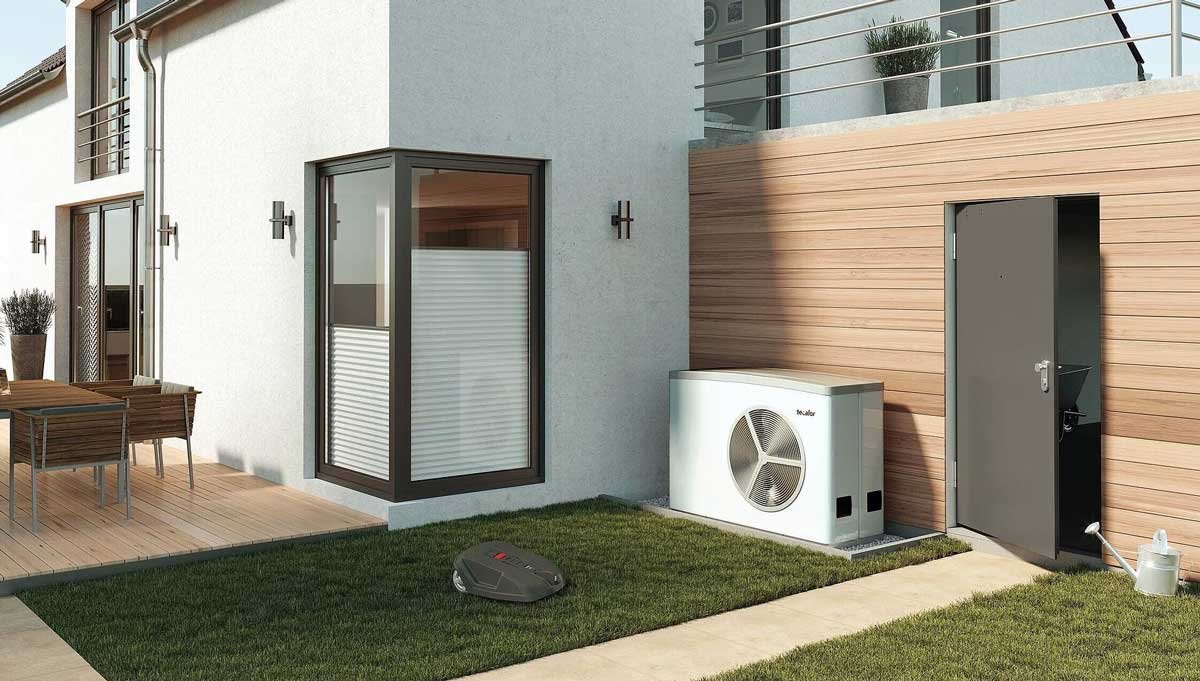
Heat pumps are rapidly transforming how modern homes heat and cool. By combining efficiency, eco-friendliness, and adaptability, heat pumps have become the center of sustainable household climate control. For homeowners interested in efficient climate systems, understanding the benefits of a heat pump installation in London can be essential for making informed choices about home upgrades. As adoption rates rise, more households are realizing the value these systems bring both in terms of comfort and cost-effectiveness.
Modern heat pumps serve as both heating and cooling systems, offering year-round comfort while consuming far less energy than traditional solutions. This dual-purpose technology makes them particularly appropriate for the changing demands of contemporary living spaces. Increased energy savings, greater versatility, and a lower carbon footprint are now achievable for a wider range of homeowners, allowing even those with older residences to benefit from advanced climate-control technologies.
Choosing to upgrade to a heat pump does require careful consideration of both installation requirements and ongoing maintenance. Professional guidance, thoughtful system selection, and an understanding of available incentives can help households not only cut costs but also reduce their environmental impact. Government programs and industry innovations continue to improve accessibility, making it easier and more affordable to switch to a cleaner, greener alternative.
What Is a Heat Pump?
A heat pump is an advanced climate control system that moves heat between exterior and interior spaces. During colder months, it extracts heat from outside air or the ground and transfers it inside to provide warmth. In the summer, this process reverses to remove heat from inside the home, providing a cooling effect. The same appliance handles both climate functions without burning fuel, substantially lowering operational costs and emissions. For more insight, the U.S. Department of Energy explores how heat pumps work and why they are becoming a preferred choice for modern home upgrades.
Energy Efficiency and Cost Savings
The shift towards heat pumps is largely due to their remarkable energy efficiency. Rather than generating heat via fuel combustion, heat pumps simply transfer heat, using much less electricity. According to independent studies by the National Renewable Energy Laboratory (NREL), between 62% and 95% of U.S. households can cut their energy bills by switching to a heat pump system. Because these devices leverage environmental heat, each unit of electrical energy can generate several units of heating or cooling, resulting in significant savings over time. As energy costs rise, this efficiency makes heat pumps an economically sound investment for future-proofing a home.
Environmental Impact
Heat pumps substantially reduce household greenhouse gas emissions, advancing sustainability goals at the community and national levels. By reducing dependence on fossil fuels, homes that use air-source heat pumps can reduce their carbon footprint by approximately 40% compared to those that rely on gas furnaces. Research from the University of California, Davis, published in Consumer Reports, supports these findings and highlights the environmental gains of transitioning from legacy gas or oil systems to modern electric heat pumps. These reductions contribute to cleaner air, lower energy demand, and a healthier climate for everyone.
Suitability for Different Home Types
Today’s heat pumps are engineered to perform efficiently in a broad range of residential environments, including both contemporary homes and older properties where previous systems may have fallen short. Technological developments enable heat pumps to operate effectively even in areas with colder winters and in homes of varying architectural designs. This makes them highly adaptable, whether you are retrofitting an existing house or installing a heating and cooling system in new construction. As The Independent reports, modernization efforts across Europe and North America are showing that heat pumps can bring comfort and efficiency to Victorian homes as easily as to newer builds.
Installation Considerations
Efficient Operation Starts with Professional Setup
Proper installation yields optimal efficiency, comfort, and longevity for a heat pump system. Important considerations include:
Home Insulation: Adequate insulation minimizes heat loss, enabling heat pumps to maintain consistent indoor temperatures with less energy.
System Compatibility: Integration with existing ductwork or radiators may require modifications or upgrades to the system.
Space Requirements: Both indoor and outdoor units require sufficient space for airflow, access, and safe operation.
Consulting with certified installation professionals ensures your heat pump will deliver the best results for your specific residence and climate zone.
Maintenance and Longevity
With regular maintenance, heat pumps stay highly efficient and reliable over their lifespan, which can extend from 15 to 20 years. Basic upkeep includes checking and replacing filters, keeping outdoor units free of debris, and arranging for annual professional inspections. These measures prevent minor issues from becoming costly repairs, preserve energy efficiency, and support continued comfort year-round. According to This Old House, proactive care can help heat pumps last longer and save homeowners more money over time.
Government Incentives and Rebates
To increase the adoption of energy-efficient solutions, many governments and utilities provide substantial financial incentives for heat pump installations. Households may qualify for federal tax credits, state rebates, and local incentives that help reduce the upfront investment. These savings make installing a heat pump more accessible and attractive than ever, while also stimulating broader transitions toward environmentally conscious living.
Conclusion
For homeowners seeking a balance of comfort, sustainability, and affordability, installing a heat pump is an advantageous investment. Energy savings, improved indoor air quality, and reduced carbon emissions highlight the versatile benefits these systems provide. Advances in technology and attractive financial incentives now make heat pumps suitable for most types of homes. With the right professional support and ongoing maintenance, a heat pump ensures reliable year-round performance and significant long-term returns for households focused on a sustainable future.