
The Nano Banana name has become linked with Google’s image generation work. The current model family includes Nano Banana 2 and the earlier Nano Banana, which is based on the Gemini 2.5 Flash Image. Nano Banana 2 was introduced in 2026 with faster generation, stronger instruction following, and better control over visual details.
Understanding the Nano Banana Approach
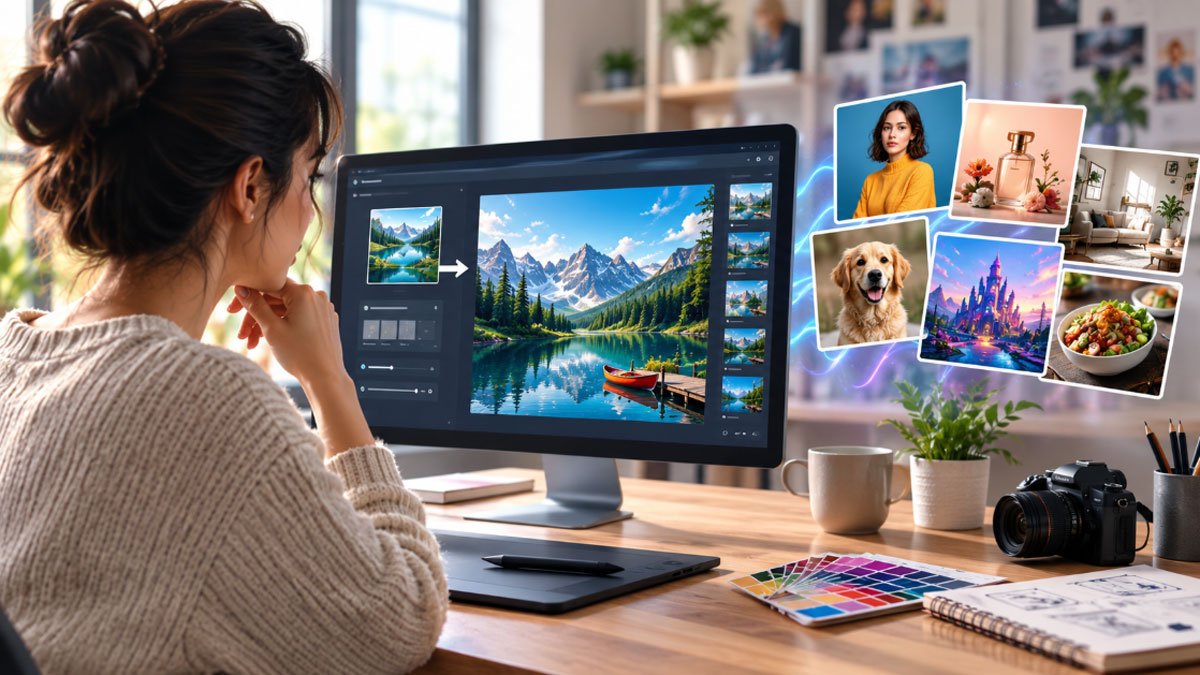
Nano Banana is not limited to creating an image from a written prompt. It can also work with images and text together. This allows users to edit an existing image, change parts of a scene, or build on a visual idea. This makes the technology useful for more than simple image creation. A designer can start with a rough image and change its setting. A creator can test different looks for the same character.
People searching for information about Nano Banana 2.5 should also understand the current naming. Google officially lists Nano Banana 2 as Gemini 3.1 Flash Image, while Nano Banana refers to Gemini 2.5 Flash Image. A separate model officially named Nano Banana 2.5 is not currently listed in Google’s public documentation.
Better Control Over Creative Ideas
One useful part of newer image models is better instruction following. Instead of giving a very basic prompt, users can describe several parts of a scene. The model can then use those details when creating the image. Nano Banana 2 was designed to follow complex instructions more closely. Google also highlights subject consistency. Its documentation says the model can maintain the appearance of up to five characters and the fidelity of up to 14 objects in one workflow.
Uses Across Digital Projects
AI image generation can fit into many creative workflows. It can help with early concepts, social media visuals, website graphics, product ideas, and storyboards. A small business can use image generation to explore a product scene before arranging a photo shoot. A designer can test different layouts. A content creator can develop a visual idea before producing the final artwork.
Five Practical Creative Uses
- Concept Art
- Product Scenes
- Social Graphics
- Storyboards
- Visual Drafts
Speeding Up the Creative Process
Time is often a major part of digital production. Creating several visual options manually can take hours. AI tools can make the testing stage quicker. Nano Banana 2 was introduced with a focus on speed as well as image quality.
Google describes it as combining advanced image capabilities with the faster Flash model family. This can be useful when one idea needs several versions. A creator may need a wide image for a website and a vertical version for social media. Generating different formats can make the workflow easier.
Conclusion
AI image technology is moving quickly. New models are focusing on better instructions, faster results, stronger consistency, and easier editing. Nano Banana 2 is one example of this direction. The technology gives creators more ways to test ideas without building every visual from scratch. It can support small experiments as well as larger creative workflows.
The name Nano Banana 2.5 is currently used in some online discussions, but it should not be treated as a confirmed Google model without an official announcement. For now, Google’s public documentation identifies Nano Banana 2 and Nano Banana as available models in the family.