
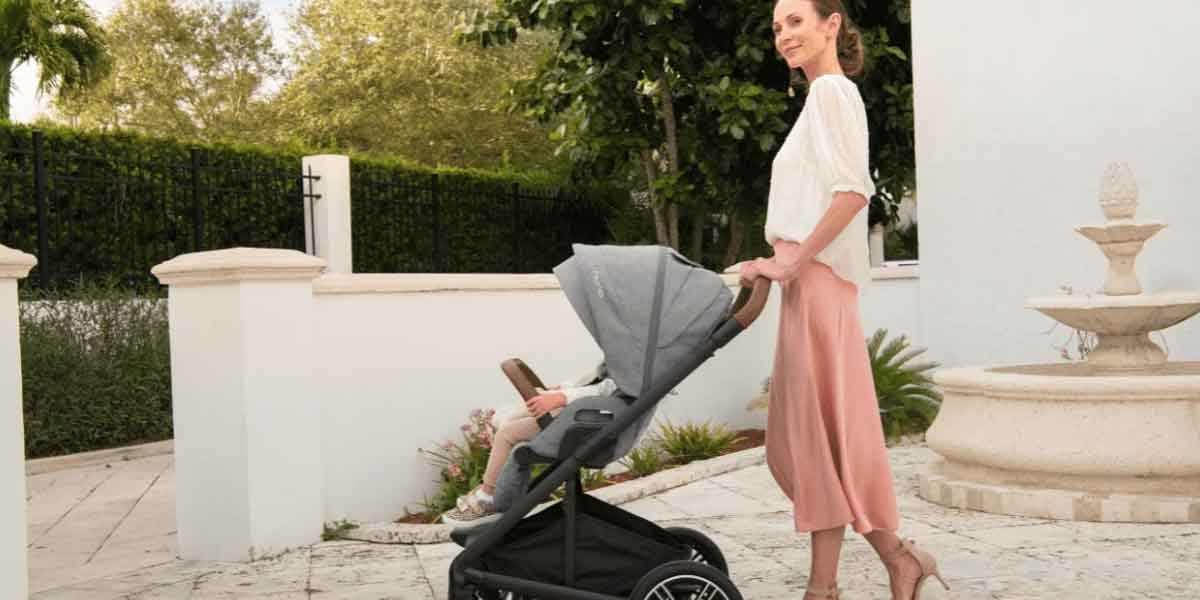
The best stroller is not the one with the longest feature list. It is the one that matches how you actually move through your week. A parent who walks everywhere has different needs than one who loads the car twice a day or flies several times a year. Start with your routine, and the right choice becomes much easier to spot.
Your daily routine decides the right type
Before comparing models, look at a normal week. How often does the stroller go in and out of a trunk? Do you take the bus or squeeze through narrow store aisles? Do you live in a walk-up apartment? Each of these situations rewards a different balance between comfort and compactness.
A stroller that feels perfect in the showroom can become a burden at home. If it barely fits through your hallway or takes up half the trunk, you will notice it every single day. That daily friction is a common reason parents replace a stroller within the first year, which means paying twice for the same need.
Why the fold matters more than you think
If your stroller goes in and out of a car or closet daily, the fold is the feature to test first. A collapsible stroller that closes in one smooth motion saves you an awkward struggle in a parking lot with a child on your arm. Try the fold in the store, ideally one-handed, because that is how you will do it in real life.
Pay attention to the folded size as well, not just the mechanism. Measure your trunk and your storage spot at home before you buy. A model that folds easily but still fills the entire trunk leaves no room for groceries or a diaper bag, and that becomes a daily annoyance.
Traveling with a stroller
Flying and train travel put different demands on a stroller than the school run. At the airport, you want something you can carry with one hand while managing luggage with the other. In that scenario, a light stroller for travel is the smarter pick, because a low weight and a compact fold make gate checks and transfers far less stressful. Many compact travel models are even small enough to take into the cabin, though airline rules vary, so check with your carrier before you fly.
A travel stroller does not have to be a second-rate ride for your child. Look for a proper recline and decent suspension, so long days of sightseeing stay comfortable for the passenger too. A child who can nap in the stroller gives you a few extra hours of vacation.
What to check before you buy
A short test in the store tells you more than any spec sheet. Focus on these points:
- The fold: can you do it one-handed, and does the folded stroller fit your trunk and storage space?
- The weight: lift it the way you would at home, for example up a curb or into a car.
- The push: steer it with one hand through a tight turn, because you will often hold something in the other.
- The seat: check the recline positions and how easily your child gets in and out.
Also think ahead. A newborn needs a flat sleeping position, while a toddler wants to see the world. A model that adapts as your child grows can save you from buying again in a couple of years.
One stroller or two
Many families end up with a full-size stroller for daily life and a compact one for trips. That works, but it is not the only route. If your daily life already calls for something compact, one well-chosen lightweight model can cover both roles. Weigh the cost of two strollers against how often you actually travel, and decide based on your real calendar rather than the exception. Buy for the life you lead most weeks, and the stroller will earn its place instead of gathering dust in the hallway.