
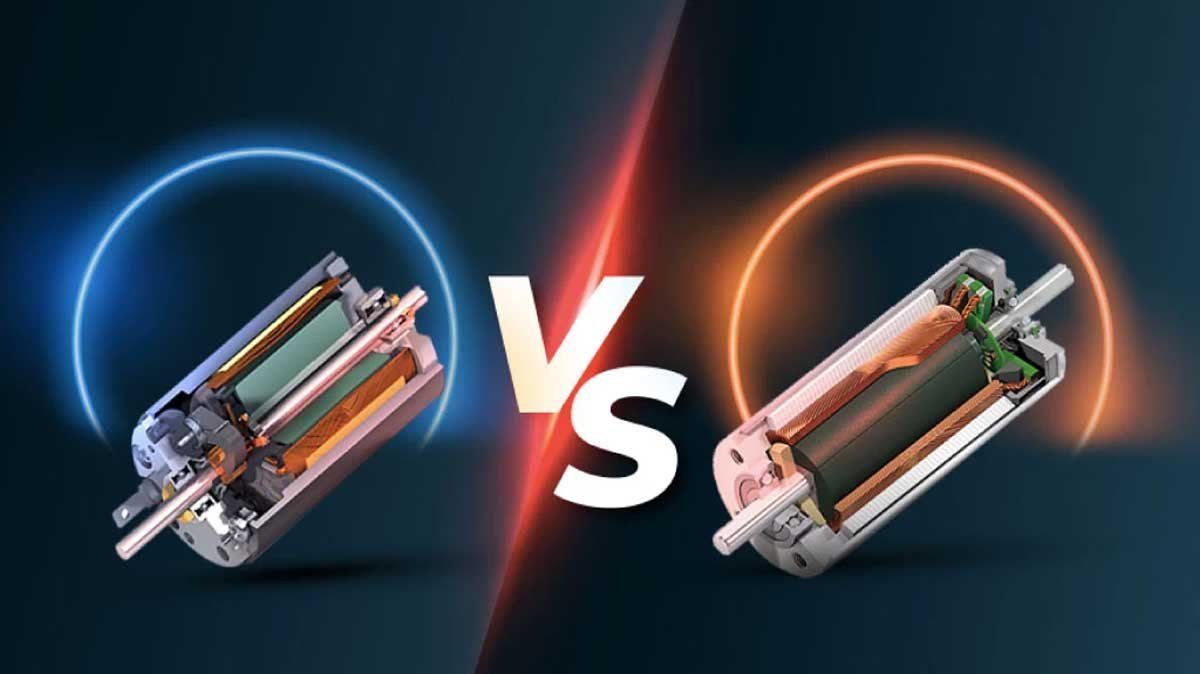
“Brushless motor” is printed on nearly every cordless vacuum box today, usually next to a premium price tag. But what does it actually mean — and is it worth paying for? The difference between brushed and brushless motors is one of the few specs that genuinely changes how a vacuum performs and how long it lasts. Here’s the plain-English version.
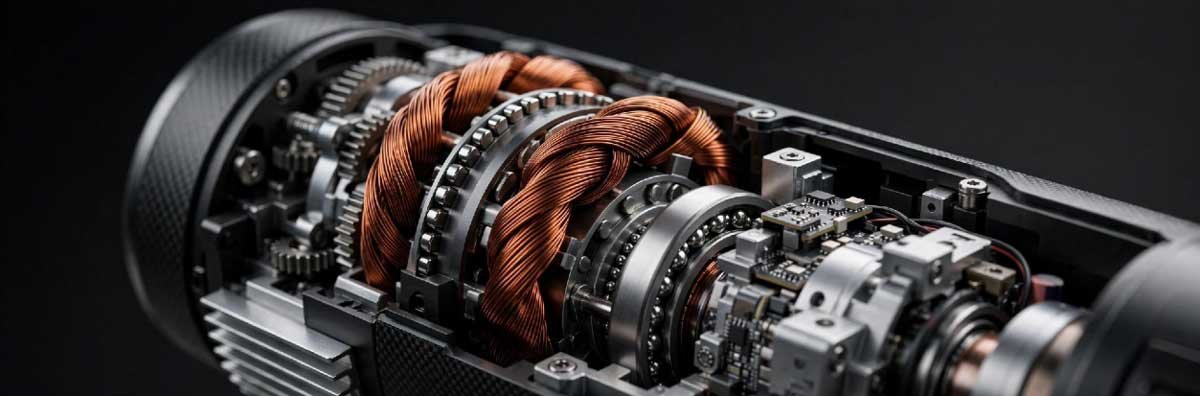
What a brushed motor does
A brushed motor is the older, simpler design. Inside, carbon brushes press physically against a spinning part called the commutator, switching the electrical current to keep the motor turning. It works — this design powered power tools and appliances for decades.
The catch is friction. Those brushes are in constant physical contact, which means three things: they wear down over time, they waste energy as heat, and they generate more noise. A brushed motor vacuum still cleans perfectly well on day one, but its performance slowly degrades as the brushes wear, and the motor itself has a shorter lifespan.
What a brushless motor does
A brushless motor removes the physical brushes entirely. Instead, electronic controllers switch the electromagnetic fields that spin the motor — no contact, no wearing parts, far less wasted heat. It’s the same leap that happened in power tools and drones years ago.
The practical results are measurable: longer motor life (often rated for years of heavy use), quieter operation, and better energy efficiency, which means more cleaning per battery charge. That’s why nearly every premium cordless vacuum released in recent years uses one.
Head to head: how they compare
Lifespan. Brushless wins clearly. With no brushes to wear out, these motors routinely outlast brushed ones by a wide margin.
Noise. Brushless motors run noticeably quieter, since there’s no brush friction adding to the sound. If you vacuum while kids nap or while on calls, this matters.
Efficiency. Less friction means less energy wasted as heat, so more of the battery’s power goes to actual suction. A detailed brushless motor vs brushed motor comparison shows the efficiency gap is one of the biggest real-world differences between budget and premium cordless models.
Power. Brushless motors can spin faster and maintain speed better under load — like when the brush head digs into thick carpet. That translates to more consistent cleaning, not just a bigger headline number.
Price. Brushed wins here. The simpler design is cheaper to make, which is why budget vacuums still use brushed motors. The question is whether the savings are worth the trade-offs.
What it means for battery life
Motor type and battery life are deeply connected. Because brushless motors waste less energy as heat, they draw less power for the same cleaning job — stretching every charge further. But the motor is only half the story. Battery configuration — cell count, voltage, and capacity — determines the ceiling, and manufacturers quote runtime in the gentlest eco mode, not the max-power mode you’ll actually use on pet hair or deep carpet. For a realistic picture of how long a cordless vacuum lasts on a single charge across different battery setups, it’s worth checking real-world figures rather than the box.
Don’t judge a vacuum by its motor alone
The motor gets the marketing spotlight, but it’s only one part of the cleaning system. A great motor paired with leaky seals, a basic filter, and a mediocre brush head will still underperform. When comparing models, check the whole package: sealed HEPA filtration (so fine dust doesn’t blow back into your room), a brush head suited to your floors, and a dustbin that empties without a dust cloud. The motor determines how much power is available; everything downstream determines how much of that power actually reaches your carpet.
Which should you buy?
It depends on your budget and habits:
- **Choose brushless** if you vacuum often, want the machine to last years, value quieter operation, or need maximum runtime from each charge. For a daily driver, it’s worth the premium.
- **Choose brushed** if you need an affordable backup, clean small spaces occasionally, or want a second vacuum for the car or garage. It still cleans — it just won’t last as long or run as efficiently.
The bottom line
Brushless isn’t marketing fluff — it’s a genuinely better motor design with real advantages in lifespan, noise, and efficiency. Whether it’s worth the extra money depends on how hard you’ll work the machine. But now you know exactly what that label on the box is promising, and you can decide with your eyes open.
Marry Marlowe is a home cleaning specialist with 15 years of experience in vacuum care and home maintenance. She founded Vacuum Intel to help readers choose the right vacuum, use it effectively, and maintain it for years.