
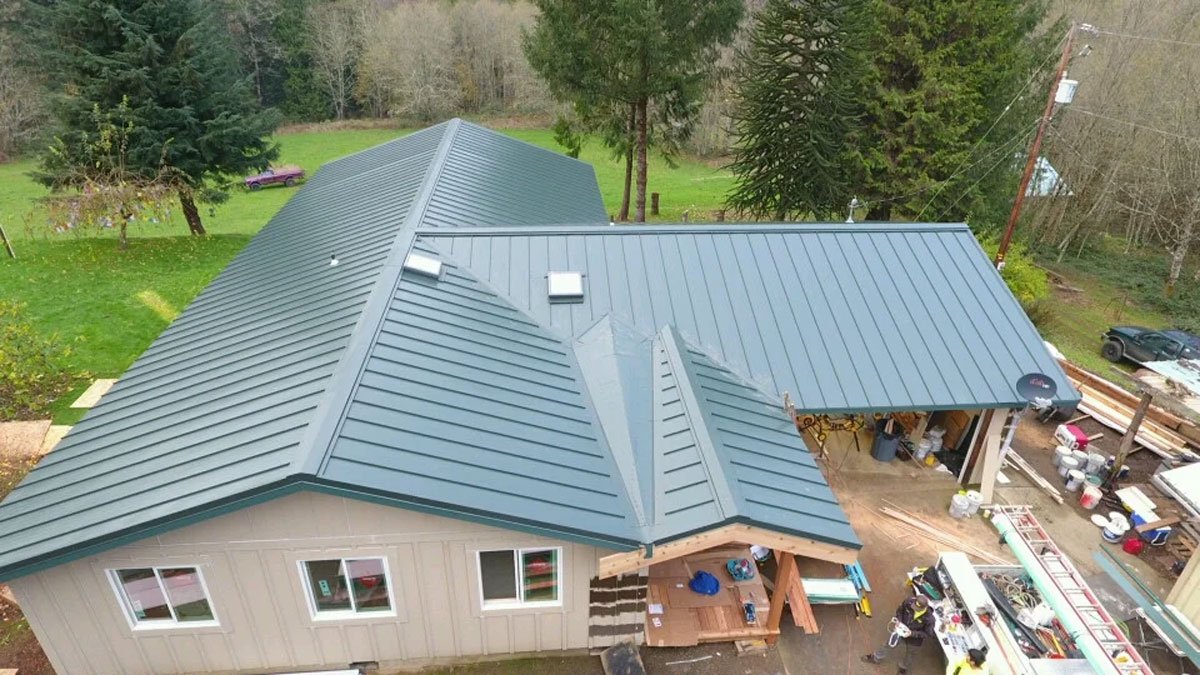
When it comes to protecting a home, the roof is one of the most consequential decisions a homeowner will ever make. It affects structural integrity, indoor temperatures, energy costs, and long-term property value all at once. Yet most people choose roofing material based on upfront price alone, without accounting for what that decision means fifteen or twenty years down the road.
For homeowners willing to think past the immediate cost, energy-efficient metal roofs represent one of the most genuinely compelling options in today’s residential market. What was once considered a commercial or industrial material has become a mainstream residential choice, and the reasons behind that shift are worth understanding in full.
What Sets Metal Roofing Apart
The most fundamental difference between metal and conventional asphalt shingles is lifespan. A standard asphalt roof lasts 15 to 25 years under typical conditions. A properly installed metal roof routinely performs for 40 to 70 years, with many manufacturers backing that claim with warranties of 30 to 50 years. That single distinction changes the financial picture entirely when both options are compared honestly.
The compounding effect of that lifespan gap is significant. A homeowner who chooses asphalt shingles may face two or even three full replacements within the same period a metal roof is still performing well. Each cycle adds labor costs, material costs, and disruption to daily life, all of which a well-chosen metal installation avoids entirely.
Energy Performance and Cooling Savings
Metal roofing has a direct and measurable effect on energy consumption. Asphalt shingles absorb solar radiant heat and transfer a portion of it into the home, increasing the load on air conditioning throughout warm months. Metal panels reflect that heat instead of absorbing it, which reduces the demand placed on cooling systems from the moment of installation.
Depending on panel color and local climate, that reflective quality can reduce cooling costs by 10 to 25 percent over a typical summer season. Accumulated across decades, those savings form a meaningful part of the investment’s total return. Certain metal roofing products also qualify for energy efficiency tax incentives, which can help reduce what a homeowner pays upfront during installation.
How Metal Performs Under Extreme Weather
Weather resistance is where metal roofing consistently earns its strongest endorsements. Standing seam panels are engineered with interlocking edges and concealed fasteners that eliminate the exposed attachment points wind and water exploit in conventional shingles over time. Many residential metal systems are rated to withstand sustained winds exceeding 120 miles per hour, making them well-suited for regions facing severe storms, high winds, or hurricane conditions.
In snowy climates, the smooth surface of a metal roof allows snow to shed naturally rather than accumulate, reducing structural load and preventing the ice dams that form when meltwater refreezes along eaves. In fire-prone areas, metal carries a Class A fire rating, the highest available, offering a level of protection against airborne embers that organic materials cannot provide.
Material Choices and Design Flexibility
Not all metal roofing products are the same. Aluminum is naturally corrosion-resistant and well suited to coastal or high-humidity environments where salt air accelerates the breakdown of other metals. Steel panels with galvanized or Galvalume coatings offer stronger impact resistance and work better in areas prone to hail, high winds, or heavy snowfall.
Modern metal roofing also offers far more design flexibility than many homeowners expect. Products are available in standing seam profiles, metal shingles that convincingly replicate the look of slate or wood shake, and styles compatible with both traditional and contemporary architecture. UV-resistant coatings maintain color integrity over years of sun exposure, so performance and appearance are preserved well into the roof’s long lifespan.
The True Cost of Metal Roofing
The installed cost of metal roofing is higher than asphalt, typically ranging from $7 to $14 per square foot depending on material type and regional labor rates. That number causes some homeowners to pause, but it does not reflect the full financial reality of owning a metal roof over time.
When future replacement costs are eliminated, energy bills are reduced, and insurance benefits in storm-prone areas are factored in, the long-term comparison frequently favors metal by a meaningful margin. Working through a metal roofing systems evaluation with a qualified contractor helps homeowners understand the full scope of the investment and what return they can realistically expect over time.
Ongoing Maintenance Requirements
One of the quieter advantages of metal roofing is how little ongoing attention it requires. There are no granules to shed, no organic material to decay, and no susceptibility to moss or algae. Routine care involves keeping gutters clear, checking flashing periodically, and inspecting sealants every few years. A contractor who specializes in metal systems can handle any repairs that arise quickly and cleanly.
Key Takeaways
Choosing a roofing material is one of the most consequential decisions a homeowner can make, and metal delivers a compelling case across nearly every category that matters. Its lifespan, weather resistance, energy performance, low maintenance, and design flexibility make it a genuine long-term investment. For any homeowner facing a roof replacement, evaluating metal roofing seriously before defaulting to conventional materials is a decision worth making.