
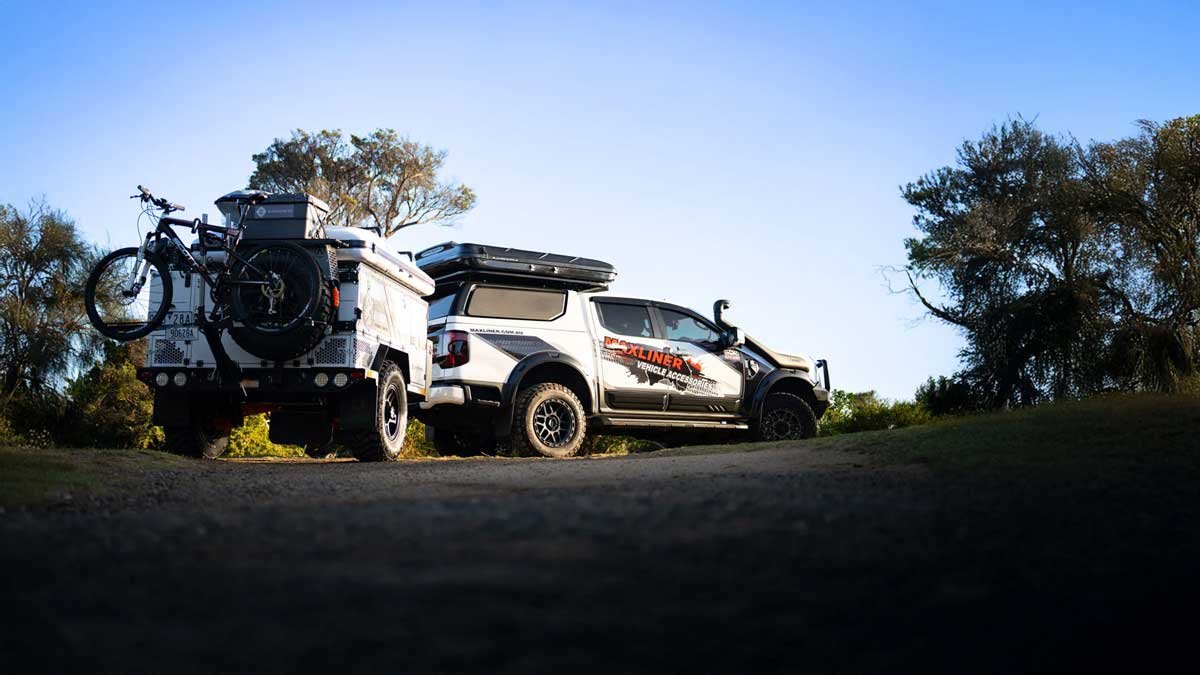
In Australia, the ute is much more than just a commercial vehicle. It is a vital tool for tradespeople during the week and an escape vessel for weekend off-road adventures. Building a rig that can handle the daily grind on the job site while remaining ready for a trip to the Outback requires careful planning. You do not want to spend every Friday night unloading heavy power tools, sweeping out construction dust, and making room for your camping fridge. The secret to a perfect dual-purpose ute lies in smart storage, strict weight management, and essential mechanical preparations.
Organising Gear Without Wasting Space
The biggest challenge of a dual-purpose vehicle is keeping your professional equipment separate from your lifestyle gear. A cluttered tray is frustrating when you are trying to find a specific spanner for an urgent job. It is even worse when your expensive camping equipment gets covered in grime from the work week. The best approach is to utilise modular storage systems that allow for quick transitions.
One of the smartest ways to maximise space is by installing an under tray tool box to keep smaller, heavier items out of the main tray area. These secure compartments are perfect for storing dirty work gear, recovery straps, or spare parts, freeing up valuable deck space for bulky camping items. By using the dead space behind the rear wheels, you maintain a lower centre of gravity while keeping the primary storage area clean and ready for your weekend fridge slide and storage bins.
Managing Payload and GVM Limits
When outfitting your ute for both work and play, it is incredibly easy to overload the vehicle. Every accessory you add reduces the legal carrying capacity of your rig. Understanding your Gross Vehicle Mass is critical for both safety and insurance compliance. Ignoring these limits can lead to severe fines or compromised handling.
According to an insightful guide from 4X4 Australia, adding standard off-road accessories like bullbars, canopies, and rear drawers can easily add 670kg to a vehicle like a Mazda BT-50. This staggering weight consumes almost the entire available payload, putting the vehicle over its legal limit before passengers or camping gear are even loaded. To avoid this trap, select lightweight aluminium accessories where possible and remove unnecessary work equipment before heading off the grid. Carefully planning what stays on the vehicle full-time is the absolute key to maintaining a safe, capable ute.
Mechanical Preparation for the Outback
A daily work ute might drive perfectly fine on city roads, but transitioning to remote dirt tracks demands robust mechanical reliability. Dust, corrugated roads, and unexpected river crossings can quickly destroy an unprepared engine. Standard factory components are rarely designed for sustained punishment in the bush, meaning proactive maintenance is required.
Before venturing far from mobile phone reception, you need to ensure your engine is protected from the elements. As highlighted in a helpful guide on whether your off-road rig needs better breathing for water crossings, upgrading to a high-mount snorkel is essential. This modification protects the engine from hydro-locking in deep water and provides cleaner, denser air when traversing dusty trails. Ensuring your vehicle breathes clean air is just as important as keeping your suspension greased and your battery systems fully charged.
Essential Upgrades for the Dual-Purpose Ute
Creating a versatile vehicle means focusing on upgrades that serve multiple functions, providing value from Monday to Sunday. Here are a few essential modifications that benefit both the work week and the relaxing weekend getaway:
All-Terrain Tyres: A quality set of light truck all-terrain tyres provides vital puncture resistance on rugged tracks while maintaining acceptable road noise and handling during the daily city commute.
Upgraded Suspension: Heavy-duty springs and shock absorbers help carry the weight of tools during the week and manage the heavy load of camping gear on the weekend without causing the rear end to sag.
Dual Battery Systems: A secondary battery is vital for running power tools on a remote job site, and it is equally useful for keeping your 12-volt fridge cold during a three-day camping trip.
Portable Lighting: Work lights mounted to a canopy or headboard make packing up a dark construction site much safer. These same lights double as excellent camp lighting when cooking dinner outdoors.
Building a ute that seamlessly transitions from professional duties to off-grid exploration is entirely achievable. By managing your payload carefully, investing in clever storage solutions, and making targeted mechanical upgrades, you can create a reliable rig. Your vehicle will be perfectly equipped to tackle the toughest jobs and the most breathtaking Australian landscapes with ease.