
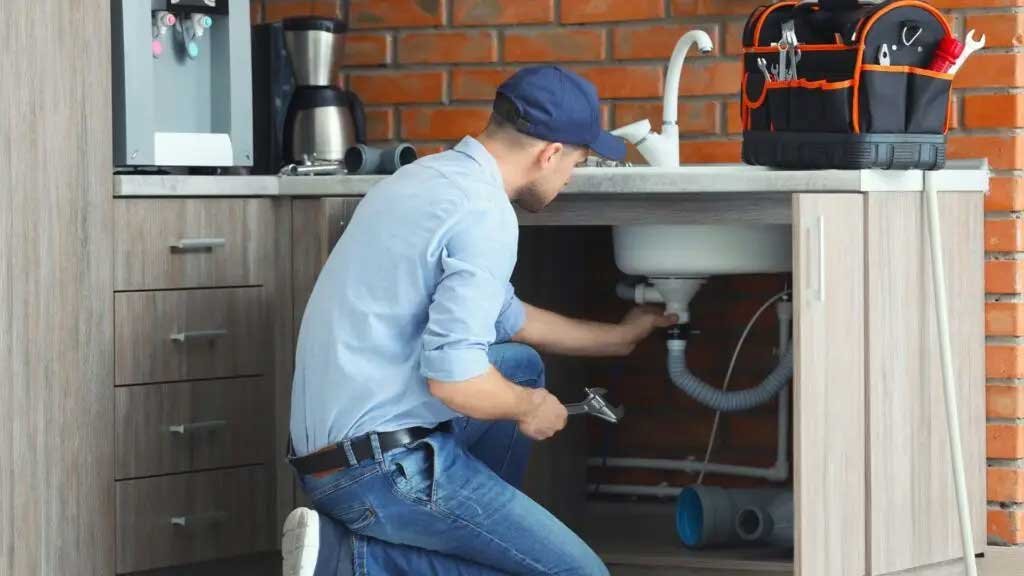
For many U.S. homeowners, taking on a DIY plumbing project starts with good intentions and a quick trip to the local hardware store. Whether it’s a bathroom refresh, kitchen renovation, or replacing aging pipes in an older home, plumbing work often feels manageable at first. But experienced DIY renovators quickly learn that plumbing success depends less on effort and more on choosing the right products from the beginning.
Unlike paint or flooring, plumbing mistakes tend to stay hidden until they become expensive. That’s why homeowners who approach plumbing thoughtfully—especially during renovations—are far more likely to achieve long-term results.
Product Selection Matters More Than Experience
One pattern shows up repeatedly in DIY plumbing projects: problems usually stem from poor product choices, not lack of skill. Pipes that don’t match fittings, valves that fail early, or materials that aren’t designed for residential use can all lead to leaks behind walls.
Experienced homeowners recommend starting with three basic questions:
- Is this product designed for long-term residential plumbing?
- Is it compatible with the rest of the system?
- Will it still perform reliably once it’s hidden from view?
Answering these questions upfront prevents most DIY plumbing issues before they start.
Why Many Homeowners Are Moving Away from Older Materials
In many older U.S. homes, plumbing systems were built with materials that no longer meet modern expectations. Galvanized steel corrodes, and copper—while durable—can be difficult for DIY homeowners to work with.
This is why modern materials like PEX have gained popularity in home renovations. PEX piping is flexible, resistant to corrosion, and easier to install in existing structures. For homeowners working in tight wall cavities or around old framing, flexibility alone can reduce installation complexity significantly.
Choosing renovation-friendly materials allows homeowners to focus on doing the job correctly rather than fighting against outdated systems.
Fittings, Valves, and the Small Parts That Matter Most
While pipes get most of the attention, fittings and valves are often the true test of a plumbing system’s reliability. DIY projects frequently fail at connection points due to reused or low-quality components.
Homeowners who have completed successful renovations tend to replace:
- Old shut-off valves
- Mixed or mismatched fittings
- Worn connectors
Upgrading these components during renovation improves safety, simplifies future repairs, and reduces the risk of hidden leaks.
The Challenge of Buying Plumbing Supplies as a DIYer
Many homeowners begin their projects at big-box stores because of convenience. However, these stores often carry limited plumbing selections and provide little guidance on compatibility. Products may look similar on the shelf but perform very differently once installed.
This lack of clarity leads some DIY homeowners to seek out plumbing-focused suppliers that offer clearer specifications and more consistent product lines.
Why Some Homeowners Turn to Plumbing-Focused Online Suppliers
As more homeowners take on plumbing projects themselves, online plumbing suppliers have become a preferred option. These platforms allow homeowners to research products in advance and understand how components work together before purchasing.
Suppliers like PlumbingSell are often chosen not because of aggressive marketing, but because they focus exclusively on plumbing. Homeowners appreciate having access to:
- Clear sizing and compatibility information
- Residential-grade, code-compliant products
- A complete selection for one project
For DIY renovators, this reduces uncertainty and minimizes mid-project surprises.
Planning for the Long Term, Not Just the Current Fix
Successful DIY plumbing projects are built with the future in mind. Homeowners who plan ahead often add extra shut-off points, choose flexible piping systems, and avoid unnecessary joints in concealed areas.
These choices make future maintenance easier and help protect the home’s value. Even if the homeowner never sees the pipes again, they benefit from the reliability and peace of mind that comes from thoughtful product selection.
Code Compliance Is Part of Product Choice
In the U.S., plumbing work—DIY or professional—must meet local code requirements. Choosing compliant materials is just as important as proper installation.
Homeowners who do their research look for:
- Products rated for potable water
- Clear pressure and temperature ratings
- Manufacturer documentation
Plumbing-focused suppliers often make this information easier to find, which helps DIY homeowners avoid costly inspection issues later.
Final Thoughts: Smart Plumbing Starts Before Installation
DIY plumbing success begins long before the first pipe is cut. Homeowners who take time to choose the right products—materials, fittings, valves, and suppliers—dramatically improve their chances of a trouble-free renovation.
By focusing on compatibility, durability, and long-term performance, and by sourcing from plumbing-specialized platforms rather than general retailers, DIY homeowners can approach plumbing projects with confidence and build systems that quietly work for years to come.