
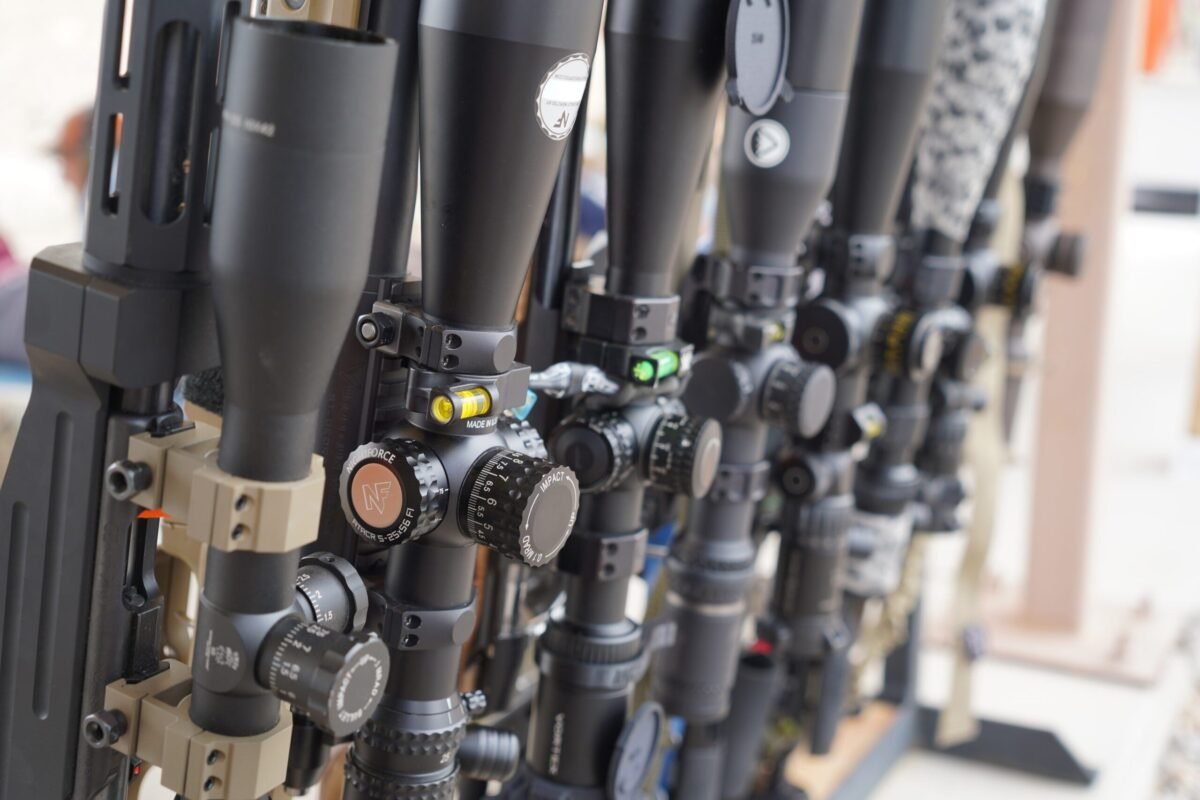
Rimfire rifles are a popular choice for both beginner and experienced shooters due to their affordability, low recoil, and versatility. To get the most out of your rimfire rifle, investing in quality optics and the right mounting system is essential. A proper scope setup can significantly improve accuracy, target acquisition, and overall shooting experience. In this beginner’s guide, we’ll cover the essentials of choosing the perfect scope mount and optics for your rimfire rifle.
Understanding Rimfire Rifles and Optics
Rimfire rifles, such as the classic .22 caliber models, are designed for precision shooting at short to medium distances. Unlike centerfire rifles, rimfire cartridges ignite from the primer located on the rim of the cartridge, offering lower recoil and quieter operation. This makes them excellent for target shooting, small game hunting, and training new shooters.
When it comes to optics, the goal is to enhance your ability to see and accurately hit your target. For beginners, a simple scope with adjustable magnification is ideal. Popular options include 3–9x or 4–12x magnification scopes, which provide enough range for most rimfire applications without being overly complicated.
Why a Quality Scope Mount Matters
Even the best optic is only as effective as the mount holding it in place. A poorly chosen or low-quality mount can lead to misalignment, instability, and inconsistent shot placement. Ensuring your scope mount is sturdy and compatible with your rifle is a critical step in setting up a reliable shooting platform.
For example, if you own a Ruger 10/22, selecting a compatible ruger 10/22 scope mount ensures your scope stays securely in place while maintaining alignment over repeated shots. Early investment in a quality mount not only improves accuracy but also protects your optics from damage.
Types of Scope Mounts
Scope mounts come in several types, each with unique benefits and considerations. Understanding the differences will help you choose the right one for your setup.
1. Dovetail Mounts
Dovetail mounts are commonly found on rimfire rifles. They are easy to install and allow for quick removal of the scope if needed. Dovetail mounts typically slide onto a rail on the rifle’s receiver and are secured with screws. They are ideal for shooters who want a straightforward and cost-effective mounting solution.
2. Picatinny and Weaver Rails
Picatinny and Weaver rails offer a more versatile option, allowing shooters to swap optics and accessories without the need for additional tools. Picatinny rails feature standardized spacing and are widely used in modern firearms, while Weaver rails are similar but with slightly different slot dimensions. Both provide a secure and reliable platform for scopes and other optics.
3. Integrated Scope Mounts
Some rifles come with integrated mounts that are machined directly into the receiver. These provide a very stable platform but may limit your choice of optics. Integrated mounts are a great choice if you plan to stick with a single scope setup for the life of the rifle.
Key Considerations When Choosing a Mount
Selecting the right scope mount goes beyond compatibility. Consider the following factors:
- Material and Durability: Aluminum and steel are common materials. Steel mounts offer superior strength, while aluminum is lighter and easier to handle.
- Height and Eye Relief: Make sure the mount positions the scope at a comfortable height for your shooting style, allowing proper eye relief and a clear sight picture.
- Stability: The mount should hold zero, meaning it maintains alignment even after repeated shooting or transport.
- Ease of Installation: Beginner shooters may prefer mounts that are simple to install without professional tools.
Choosing the Right Scope for Your Rimfire Rifle
Once you have the mount, selecting the appropriate scope is equally important. For rimfire rifles, a scope with a mild magnification range and clear optics is usually sufficient. Adjustable parallax and a reticle suited for target shooting or small game can make a significant difference in your accuracy.
Low-magnification scopes (2–7x) are perfect for close-range shooting, while higher magnification scopes (up to 12x) provide better precision for longer distances. Consider your primary use and choose a scope that balances clarity, durability, and budget.
Final Tips for Beginners
- Start Simple: Avoid overcomplicating your setup with high-powered scopes or advanced features until you are comfortable.
- Test Your Setup: Take your rifle to the range to ensure the mount and scope are correctly aligned and hold zero.
- Maintain Your Gear: Regularly check screws, mounts, and optics to ensure everything stays secure and functions optimally.
- Seek Guidance: Don’t hesitate to ask experienced shooters or consult instructional videos for mounting and sighting advice.
Conclusion
Investing in quality optics and a reliable scope mount can transform your rimfire rifle into a precise and enjoyable shooting platform. Whether you are targeting small game or honing your skills at the range, choosing the right mount ensures your scope remains stable, accurate, and effective. By understanding the types of mounts, considering your shooting needs, and selecting the appropriate scope, you can create a setup that enhances your performance and enjoyment. For those using a Ruger 10/22, starting with a ruger 10/22 scope mount near the top of your setup ensures a stable foundation for years of accurate shooting.