
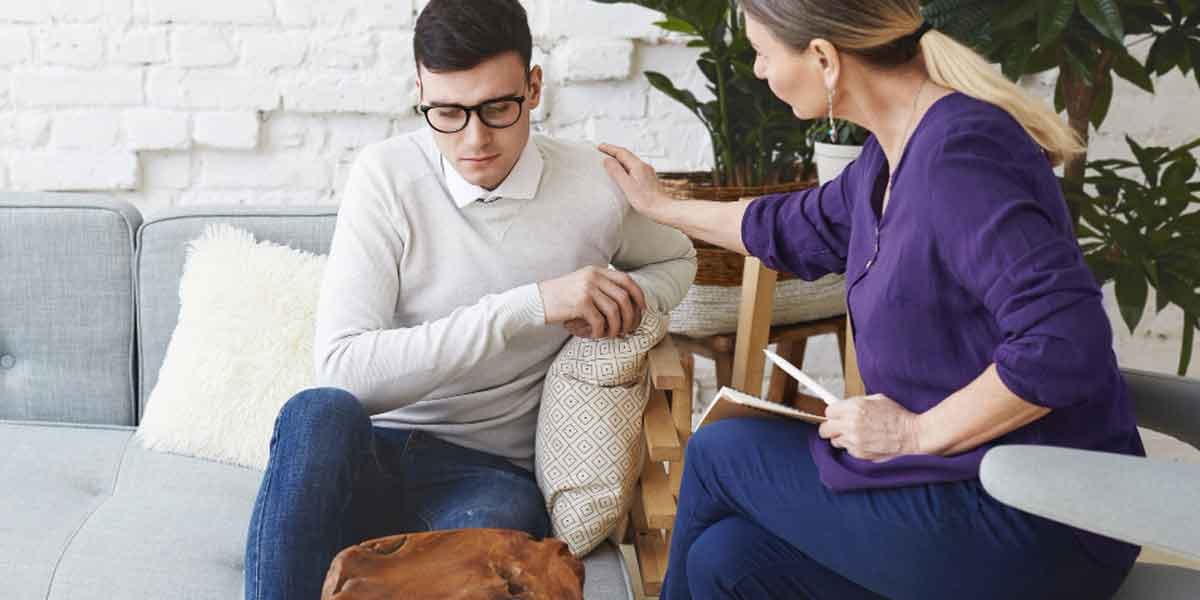
Autism masking describes hiding or changing autistic traits to fit social expectations or avoid negative reactions. It can involve rehearsing conversation, suppressing movements, or forcing eye contact. Discussions of high masking autism should make room for both the reasons someone masks and the emotional effort it may require.
What does masking look like?
Masking may involve copying other people’s expressions, scripting responses, monitoring tone of voice, or hiding sensory discomfort. Some people mask consciously; others develop habits without recognizing them. The National Autistic Society describes masking as a strategy for appearing less visibly autistic in settings where differences may be judged. A child who seems composed at school may arrive home exhausted. That contrast does not necessarily mean the child is misbehaving at home. It may signal that one environment demands considerable effort to navigate. As explained by the National Autistic Society: Masking, individual experiences and support needs vary.
Does high masking autism mean fewer support needs?
No. The phrase high masking autism can be misleading if people assume outward social performance equals internal comfort. A child may follow classroom rules, answer questions, and imitate peers while experiencing intense anxiety or fatigue. Support needs are not always visible to teachers or even family members. Ask about recovery time, sensory demands, and how safe the child feels expressing preferences. A child should not have to reach a crisis before adults take their experiences seriously. Observations from multiple settings can provide a fuller picture.
“Appearing comfortable in public does not always mean a child feels comfortable inside.”
Why do some autistic people mask?
People may mask to avoid bullying, gain acceptance, stay safe, or meet explicit and implicit expectations. It can sometimes help them navigate a situation, and autistic perspectives on masking are not all identical. However, sustained self-monitoring can be tiring, and pressure to suppress harmless traits may undermine wellbeing. The answer is not to demand that someone immediately stop masking everywhere. Instead, reduce the conditions that make masking feel necessary and give the person choices about disclosure, privacy, and communication style.
How can adults make environments safer?
Avoid equating politeness with forced eye contact or constant smiling. State expectations directly, permit sensory support, and allow different ways of participating. A child who needs quiet time after school may benefit from a predictable recovery routine. Teachers can check privately whether a student understands an instruction rather than interpreting silence as agreement. Family members can affirm that asking for a break or expressing discomfort is acceptable. The goal is to create an environment where children feel safe expressing themselves without pressure to hide who they are. Families seeking additional guidance can explore Autism Pediatric Therapy & Learning Center’s individualized therapy services, with an emphasis on communication and developmental goals that respect each child’s comfort, autonomy, and authentic self-expression.
What if masking seems linked to distress?
Persistent exhaustion, withdrawal, anxiety, or loss of interest in previously enjoyable activities deserves attention from qualified professionals. A clinician can assess mental health and other contributing factors rather than assuming masking explains every concern. Ask the child what feels safe, what is difficult, and which changes would help. Support should prioritize autonomy, communication, and wellbeing rather than training a child to appear more typical. Genuine inclusion allows people to participate without hiding essential parts of themselves.
What should caregivers avoid saying?
Comments such as “You were fine at school” can unintentionally dismiss a child who spent the day hiding discomfort. Instead, ask what the day required and whether they need quiet, movement, or time alone. When a child shares that a social rule feels exhausting, believe the experience even if the child appears outwardly successful. High masking autism should never become a reason to withhold accommodations. Adults can also model honest communication by acknowledging their own need for rest or clarification. Acceptance becomes more credible when it is reflected in everyday choices.
At a glance: practical considerations
| Possible masking behavior | Supportive alternative |
| Forced eye contact | Accept comfortable attention signals |
| Suppressing movement | Permit harmless stimming |
| Rehearsed social responses | Offer clear, low-pressure communication |
The table shows that masking can be difficult to recognize from the outside. A child who appears calm in class may spend enormous effort suppressing movement or rehearsing social responses. Adults should pay attention to exhaustion, withdrawal, or distress after demanding settings, rather than assuming that outward conformity means comfort.
How can adults make unmasking feel safer?
Offer genuine permission to move, communicate differently, or step away from overwhelming interactions. Do not insist that a child disclose feelings before trust has developed. Listen without correcting the child’s natural mannerisms, and ask which expectations feel exhausting. A supportive environment can reduce pressure to perform a version of themselves that others find easier to read.
When should families seek additional support?
Persistent exhaustion, anxiety, school avoidance, or loss of interest in valued activities deserves attention. A qualified professional can help assess mental health needs and identify practical accommodations. Families can also advocate for communication choices and sensory breaks at school. The aim is to make belonging safer, not teach a child to mask more convincingly.
This article is educational and is not a substitute for individualized medical, psychological, or therapeutic advice. Consult an appropriately qualified professional about specific concerns.
Belonging Without the Performance
Every child deserves to feel accepted without having to hide what makes them unique. Meaningful support should nurture confidence, authentic self-expression, and a sense of belonging. Explore Autism Pediatric Therapy & Learning Center’s individualized ABA therapy and discover an approach shaped around each child’s needs and strengths.
Sources
National Autistic Society: Masking
National Autistic Society: Masking
CDC: Signs and Symptoms of Autism