
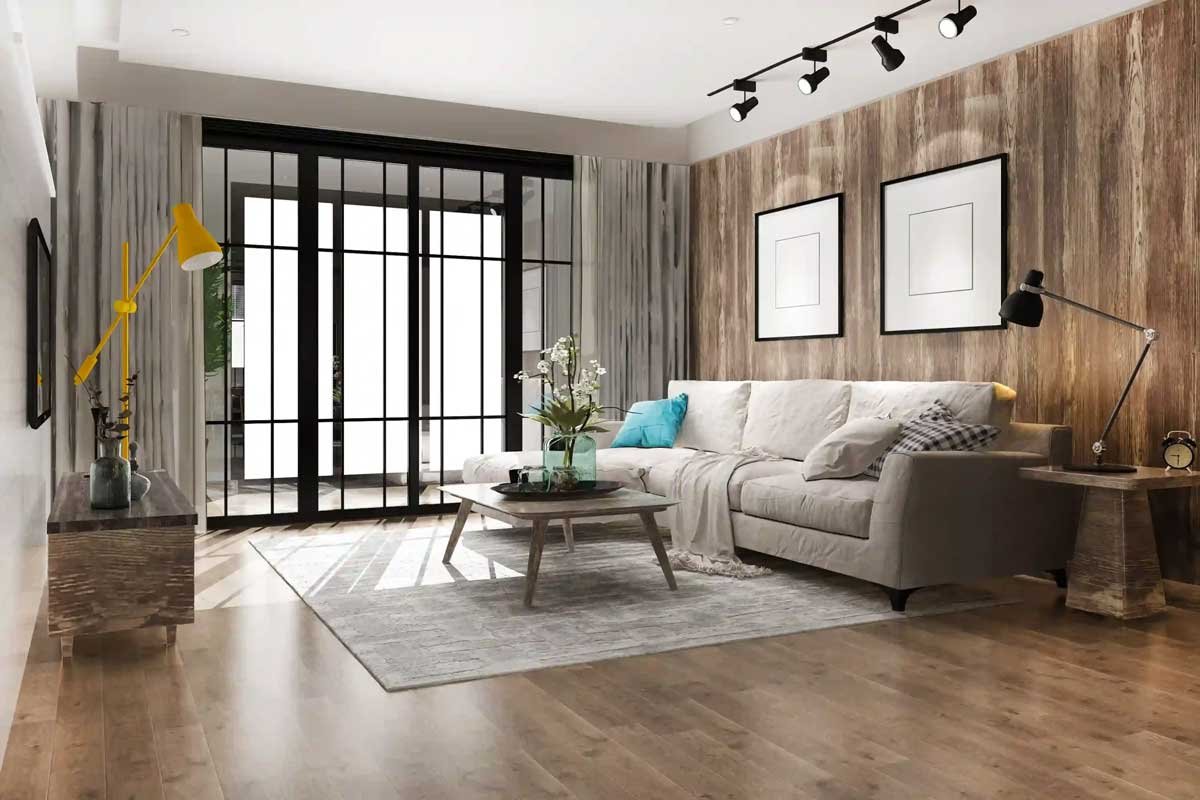
Most homeowners think big upgrades, like a full heating replacement or major remodel, are what truly improve a home. But in reality, everyday comfort is shaped by smaller, often overlooked details. The way air moves, how light hits your workspace, or whether something works exactly when you need it, these simple home upgrades are often what make the biggest difference.
Simple Home Upgrades Homeowners Overlook
Most people focus on big visuals (paint, furniture), but daily comfort is shaped by small friction points, and many of the most effective easy home upgrades are hiding in plain sight.
Switches and outlets where you actually need them. Adding a switch at the top or bottom of stairs or near your bed eliminates daily annoyance, it’s one of those “why didn’t I do this sooner” simple home upgrades.
Soft-close everything (doors, cabinets, toilet seats). It sounds minor, but removing noise and slamming changes how calm your home feels, especially at night.
Under-cabinet lighting in kitchens. Not decorative, functional. It eliminates shadows while cooking and instantly makes the space feel more high-end, making it one of those easy home upgrades that looks expensive but isn’t.
Door seals and thresholds. A $10–$30 fix that stops drafts, noise, dust, bugs, and even smells between rooms, you’ll feel the difference the same day.
Better shower pressure (not just a new head, but cleaning the line or filter). Many homes have buildup in the showerhead or valve, and fixing that feels like a hotel upgrade.
Fix airflow, not just temperature. Many homes feel uncomfortable because air isn’t circulating properly, opening blocked vents, adjusting dampers, or adding a return path can instantly make rooms feel balanced.
Create functional “landing zones.” A small, intentional space for keys, bags, and daily items near entry points reduces clutter and daily friction immediately, one of the smartest small home improvements you can make.
Small Home Improvements for Better Energy Efficiency
Forget “replace your HVAC system”, these small home improvements punch way above their cost.
Air sealing before insulation. Sealing gaps in attics, around vents, and where wires and pipes enter walls stops energy loss at the source, often outperforming added insulation. Air leaks at ceiling level are one of the biggest sources of energy loss, especially in warm climates.
Smart thermostat with scheduling (not just remote control). The real savings come from behavior automation, lowering temps when you’re asleep or away, and optimizing placement and programming to prevent inefficient cycling.
Balancing airflow, not just increasing it. Adjusting dampers or vents room by room improves distribution, reduces system strain, and prevents overcooling or overheating certain areas.
Attic hatch insulation. One of the most overlooked leaks, that thin panel is often the weakest thermal barrier in the house.
Reflective window film (especially in hot climates like Florida). Cuts solar heat gain and improves window heat control without replacing windows, one of the most practical easy home upgrades for sun-exposed rooms.
Easy Home Upgrades for More Efficient HVAC Performance
Most systems perform poorly because of neglect, not age, and regular air conditioner service is often the difference between poor performance and optimal efficiency.
Upgrade your filter strategy (not just the filter itself). High-MERV filters can restrict airflow if your system isn’t designed for them, the goal is matching filtration to airflow, not just buying “better” filters.
Clean the evaporator coil and blower (not just the outdoor unit). This is where efficiency is often lost, and professional cleaning of internal components restores airflow and performance that basic maintenance doesn’t address.
Seal ductwork (especially in attics or crawlspaces). You can lose 20–30% of conditioned air before it even reaches the room, and sealing prevents that loss before it reaches living spaces.
Install a return air pathway in closed rooms. Rooms with closed doors can choke airflow, and adding return pathways prevents pressure imbalance that makes rooms feel stuffy or too warm or cold.
Add a whole-home dehumidifier (in humid climates). This is especially important for heat pump systems, where humidity control directly impacts comfort and efficiency. Lower humidity improves comfort and allows higher thermostat settings without discomfort, reducing AC usage.
Easy Home Upgrades for Better Indoor Air Quality
This is where small home improvements actually affect how you feel daily.
Source control first (not just filtration). Upgrade cleaning products, avoid VOC-heavy paints, and fix moisture issues, you can’t filter everything out after the fact.
Bathroom and kitchen exhaust fans that actually vent outside. Many don’t, and proper ventilation removes moisture, odors, and pollutants at the source instead of recirculating them.
Humidity control (40–50% range). Too high = mold and dust mites, too low = respiratory irritation. Keeping humidity in a stable range helps prevent mold, allergens, and stale air.
Portable air purifiers in high-use rooms (bedrooms > living room). Placement matters more than size, start where you sleep to improve air quality where it matters most.
Regular drain line cleaning (HVAC). Prevents microbial growth, musty smells, and buildup that can circulate odors and contaminants through the system.
Small Home Improvements That Improve Pool Comfort and Usability
Most people focus on the pool itself, not the experience around it, yet these small home improvements can completely change usability.
Shade that moves (retractable or adjustable). Fixed umbrellas don’t cut it, sun shifts, and adjustable shade allows control over sun exposure throughout the day.
Non-slip, heat-reflective decking coating. Reduces surface temperature significantly and improves safety, barefoot comfort is a big deal in hot climates.
Wind breaks (plants, screens, or panels). Even light wind makes pools less comfortable, especially at night.
Simple pool cover (even manual). Reduces debris, evaporation, and heating costs, extending usability more than most people expect, especially when paired with a robotic pool cleaner that keeps maintenance minimal.
Dedicated storage for pool gear (hidden but accessible). Reduces clutter and maintenance friction, if it’s easy to grab, it gets used.
Home Improvements That Add Value on a Budget
These home improvements that add value aren’t flashy, but buyers notice them immediately.
Consistent hardware throughout the home, matching handles, knobs, and finishes creates a cohesive, updated, “finished” feel at a low cost.
Lighting temperature consistency (all 2700K or 3000K, not mixed). Mixed lighting makes a home feel off, while matching color temperature improves the overall feel.
Clean, sealed, and painted garage. Buyers see it as bonus space, and improving garage usability turns it into functional square footage.
Front door upgrade (paint + hardware + lighting). One of the highest ROI home improvements that add value, enhancing the entry point before buyers even walk in.
Closet organization systems (even simple ones). Storage perception directly impacts value perception, making this one of the most overlooked home improvements that add value.
Easy Home Upgrades That Improve Look and Feel
These are “weekend wins” with disproportionate impact, true easy home upgrades that quickly elevate a space.
Swap builder-grade light fixtures, one of the fastest ways to remove the “generic home” feel.
Layer lighting (overhead + task + ambient). One ceiling light per room creates a flat, harsh environment.
Upgrade switch plates and outlet covers. Old, yellowed ones quietly drag down the space.
Add texture, not just color (rugs, curtains, wood, fabric). Texture makes spaces feel finished, even without repainting.
Refresh caulking in the kitchen, bath, and trim. Clean lines signal perceived quality and make spaces feel newer.
Simple Home Upgrades to Prioritize on a Budget
Think in terms of impact per dollar and daily frequency of use, this is where simple home upgrades and small home improvements overlap the most.
Start with daily discomfort, drafts, uneven temperatures, poor lighting, and bad airflow, since these affect you every single day. Fix temperature imbalances, lighting issues, and airflow problems first, along with anything that creates daily friction, like missing outlets, bad storage, or a poor lighting layout.
Then address inefficiencies like air sealing, thermostat optimization, and duct fixes. These improve system performance and reduce ongoing costs over time, while also improving comfort and airflow.
Focus on high-use areas like kitchens, bedrooms, and living spaces, and prioritize anything you interact with multiple times a day over purely visual upgrades.
Finally, make smaller upgrades that improve perception, lighting, hardware, and aesthetic fixes. Many of these are also home improvements that add value, especially when they solve multiple problems at once. For example, sealing gaps improves comfort, energy efficiency, and air quality simultaneously.