
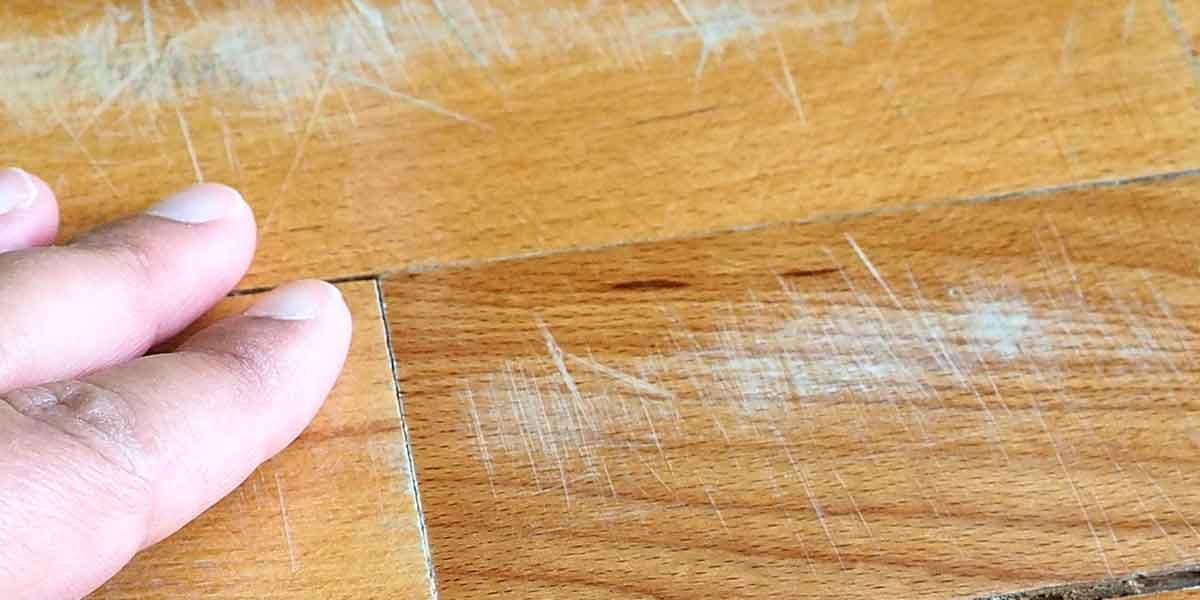
Few things strike fear into a renter’s heart quite like spotting a fresh scuff on the floor. It’s small, yes, but suddenly, you’re imagining your landlord inspecting it with a magnifying glass and tallying up deductions.
With the right cleaning tricks, you can keep things looking fresh without spending a fortune. Curious how to stay on top of this? Keep reading.
Check Your Floors
Before you grab a mop and go to town, you should know which type of floors you’re dealing with. Hardwood, laminate, tile, and vinyl are all different, and treating them all the same is a fast track to disaster and a dented bond.
Check your rental agreement first, as it might list the flooring type. If you’re still not sure, though, you can always ask your property manager.
Let’s explore these common variants:
Hardwood
These floors bring natural charm to any space but require gentle treatment. Excess water can seep into the boards, which causes warping. Instead, wipe them with a damp mop and use cleaners made specifically for wooden surfaces.
If you’re trying to figure out if it’s real hardwood, tap any plank lightly. You’ll notice a hollow sound and that each plank has its own unique grain.
Laminate
Thanks to its remarkable toughness, it’s a great option for busy homes. While it handles splashes better than real wood, you need particular cleaning solutions to keep its lustre. You should also skip rough scrubbers that might dull the surface.
Tiles
They are the obvious choice for kitchens and bathrooms because they handle spills well. Ceramic tiles are durable, and porcelain is even more water-resistant.
Tiles are tough, but a heavy drop can still crack them. Not to mention that some varieties are glazed while others aren’t, so you need to choose the right product.
You can use mild, pH-neutral cleaners on glazed tiles and stick to gentle scrubbing for unglazed ones to avoid scratching.
Vinyl
Vinyl floors are tough, which is why they’re popular in rentals. While they can take daily wear without much fuss, you shouldn’t clean them with harsh chemicals or abrasive tools.
Instead, stick to mild, pH-neutral cleaners and soft cloths or mops. Also, make sure to spray your solution onto the mop or cloth rather than the floor itself to avoid puddles. Doing this can lift edges on self-adhesive or sheet vinyl.
Use Gentle Cleaning Solutions
When you’re staring at a scuff two days before your final inspection, you may be tempted to reach for the strongest cleaner you can find. But as we’ve mentioned, this will just do more harm than good.
So, head to your kitchen and grab some basics. A drop of dish soap in warm water works wonders on hardwood.
Laminate and tile, on the other hand, usually respond well to a diluted vinegar mix (about one part vinegar to four parts water). Vinyl doesn’t need much fussing over, so stick to warm water or a mild detergent for the best results.
Not in the mood to play chemist? Pick up a plant-based, store-bought cleaner that matches your flooring, and skip the harsh solutions like bleach or ammonia.
Whatever you prefer, don’t drench your mop and always test the cleaner on a hidden patch before going all in.
Try a Magic Eraser
Magic erasers contain melamine foam, which is a micro-abrasive that removes surface marks without chemicals.
They’re also great for walls and appliances, so it’s a good idea to keep a few on hand.
To make the most out of this tool, slightly dampen the eraser and wipe the scuff using circular motions and minimal pressure.
If your floors are on the darker side, they can show a temporary cloudy residue after the treatment. Don’t worry, though, because you can quickly get rid of it with a damp cloth.
Opt for Safe Tools
When magic erasers fall short, you can try using soft-bristle brushes or microfibre pads. They pack enough punch to remove marks without leaving your floor worse than before.
However, if you’re dealing with scuffs across larger areas, a microfibre mop head is worth its weight in gold. You can unclip it for spot treatments and pop it back on for a quick once-over of the whole room.
And if your hardwood is looking a little tired after all that, apply a cleaner with carnauba wax to polish and protect it in one go. This way, you’ll have floors that are shiny enough to impress even the pickiest landlord.
Call in the Pros
If getting rid of those marks feels like a losing battle, it’s time to call in a professional. Moving house cleaners won’t just give your floors a once-over. They bring the right tools and products for every surface, from hardwood to vinyl.
That means no guessing, no risks, and no awkward ‘sorry about the scratches’ chats with your landlord.
And in most cases, that small upfront cost is far cheaper than losing a slice of your bond.
Get It on Record
Scuffs sorted? Great, let’s now talk about what you should do at your next rental to avoid being blamed for damage that was there before you moved in.
The day you get the keys, take a slow walk around with your phone and document every scratch, scuff, or dent you see. Here are some extra pointers:
- Quality images.Take high-resolution photos and videos that clearly show even minor imperfections. You should also place a ruler next to the damage for scale and make sure the lighting highlights the flaws.
- Complete coverage.Document all areas, including the corners and high-traffic zones. Don’t forget to check under furniture for hidden damage and any repairs made by previous tenants.
- Secure storage.Store your photos safely on the cloud or external drives. For added security, email copies to yourself. As for significant damage, you can print physical copies.
- Share your photos with your landlord as soon as possible and request written acknowledgement of any pre-existing damages.
Conclusion
You’ve already done the hard part, which is getting started. Once those marks are gone, you’ll feel like you’ve pulled off a magic trick.
And by inspection day, you’ll have every reason to smile while your landlord ticks boxes instead of raising eyebrows. Best of all, your deposit will stay right where it belongs—in your pocket.