
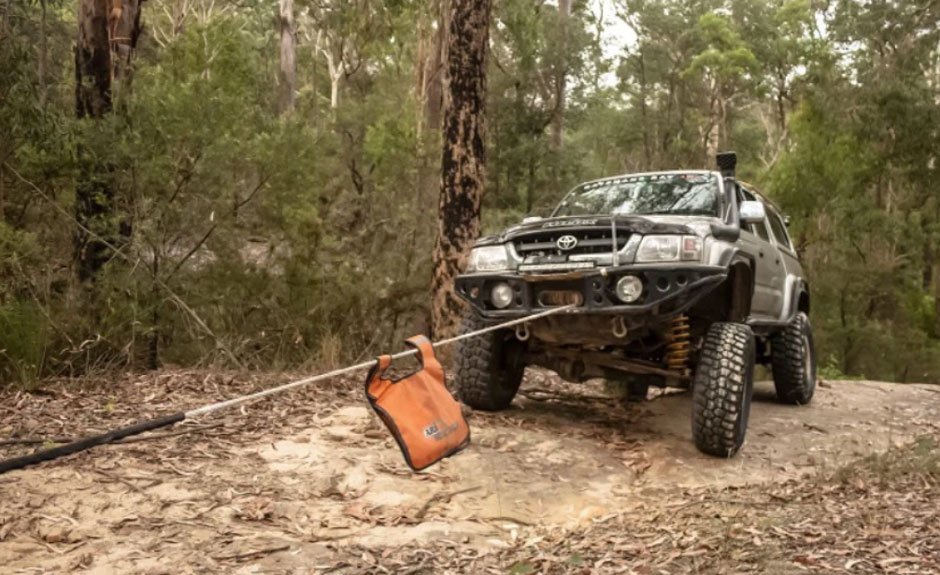
Winching is a crucial aspect of vehicle recovery, particularly in off-road situations or other challenging terrain. Whether you’re a seasoned off-roader or a novice adventurer, understanding winching procedures and precautions is paramount for safe and effective recovery operations. A winch, a device consisting of a cable, drum, and motor, is designed to pull heavy loads with ease. However, incorrect use of winches can result in accidents, injuries, or damage to vehicles and property. Therefore, adhering to proper winching procedures and safety precautions is essential.
Assessing the Situation
Before initiating any winching operation, it’s imperative to assess the situation thoroughly. Evaluate the terrain, obstacles, and the condition of the stuck vehicle. Determine the safest and most effective approach for recovery. This assessment will help in selecting the appropriate winching technique and equipment required for the task at hand. Moreover, identifying potential hazards such as sharp objects, unstable ground, or overhead obstacles is crucial to ensure a safe recovery operation.
Proper Equipment and Gear
Using the right equipment and gear is fundamental for a successful winching operation. Ensure that your winch and associated accessories are in good working condition and properly rated for the weight of your vehicle. Additionally, always wear appropriate personal protective equipment such as gloves and eye protection to safeguard against potential hazards. Inspect all equipment before use, including the winch cable, hooks, and straps, for any signs of wear or damage.
Anchoring and Rigging
Anchoring and rigging are critical aspects of recovery & winches. Select a sturdy and stable anchor point that can withstand the force exerted during the recovery process. Avoid using objects that are not securely fixed or that may pose a risk of displacement. Properly rig the winch cable or strap to the anchor point using appropriate rigging techniques such as double-line pulls or snatch blocks to increase pulling capacity and control.
Winching Techniques
Familiarising yourself with different winching techniques is essential for safe and effective recovery operations. Common techniques include straight-line pulls, double-line pulls, and off-angle pulls, each suited for specific recovery scenarios. Ensure that the winch cable is spooled evenly and under tension during the operation to prevent kinks or tangles. Additionally, maintain a safe distance from the winch and communicate clearly with other team members during the process.
Safety Precautions
Prioritising safety precautions is non-negotiable when engaging in winching activities. Always keep bystanders at a safe distance from the recovery site to prevent accidents or injuries. Never stand in line with the winch cable or strap during tensioning, as they may recoil under load and cause serious harm. Avoid sudden jerky movements or overloading the winch beyond its rated capacity, as this can lead to equipment failure or accidents. Lastly, regularly inspect and maintain your winch and associated equipment to ensure optimal performance and safety.
To sum up, mastering winching procedures and adhering to safety precautions is essential for effective vehicle recovery operations. Assessing the situation, using proper equipment, anchoring and rigging securely, employing appropriate winching techniques, and prioritising safety precautions are key components of a successful recovery process. By following these guidelines, you can ensure a safe and efficient winching operation, minimising risks and maximising the likelihood of a successful recovery outcome.