
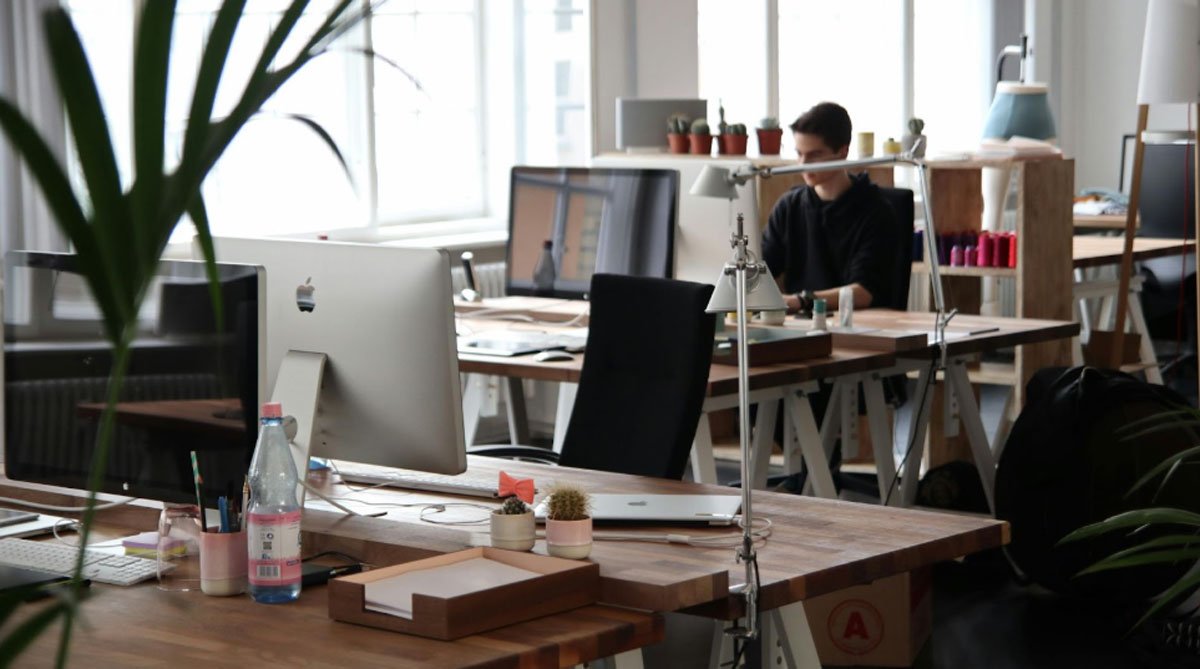
Picture this: you sit down at your desk, ready to tackle a big project, but your brain feels like it is swimming through molasses. Your chair squeaks, papers are scattered everywhere, and a faint smell of leftover coffee lingers in the air. Sound familiar? Believe it or not, your workspace has a bigger impact on your brain than most people realize. It is not just about aesthetics or looking Instagram-worthy. The environment around you can affect focus, creativity, mood, and even decision-making.
Let’s take a deep dive into why your workspace matters so much and how small tweaks can make a huge difference in how your brain functions.
Clutter and Cognitive Overload
First things first, let’s talk clutter. We have all experienced the anxiety of looking at a desk piled high with papers, pens scattered everywhere, and random cables snaking across the floor. Studies show that visual clutter competes for your brain’s attention, leading to cognitive overload. In other words, your brain has to work harder to filter out distractions.
Keeping a clean, organized workspace can help your mind feel calmer and more focused. Try a minimalist approach: keep only essential items on your desk and organize everything else in drawers or storage bins. You will be surprised by how much mental energy you save just by clearing your visual chaos. Your brain is wired to appreciate order, and a tidy workspace sets the stage for smoother thinking and better productivity.
Light and Your Circadian Rhythm
Lighting is another secret player in brain performance. Natural light has been proven to improve mood, increase alertness, and regulate sleep cycles. Working in a dimly lit room can make you feel sluggish, while harsh fluorescent lighting can cause headaches and eye strain.
If you can, position your desk near a window. Sunlight helps your brain produce serotonin, which boosts your mood and focus. If natural light is limited, invest in warm, adjustable lighting that mimics daylight. The right lighting can subtly guide your energy levels throughout the day, helping you work smarter, not harder.
Colors That Influence Thinking
Ever wonder why some offices are painted in soft blues or greens? Colors affect how your brain functions. Cool tones like blue and green are calming and promote concentration, while warmer tones like yellow and orange can spark creativity and energy. Red is known to increase alertness but may also raise stress levels if overused.
Consider adding pops of color through accessories, wall art, or even desk organizers. Small color changes can prime your brain for different types of work. For example, if you are diving into a creative project, a splash of orange on your desk could spark new ideas. If you are handling analytical tasks, a calm blue background might help you focus longer and think more clearly.
Sound and Cognitive Flow
Sound plays a huge role in how your brain processes information. Some people thrive in complete silence, while others work better with background noise. Office chatter or constant notifications can fracture attention and make it harder to enter a state of deep focus.
Noise-canceling headphones are a lifesaver for many, but if you prefer some background sound, try instrumental music, nature sounds, or white noise. Even small auditory tweaks can help your brain settle into a rhythm, improving concentration and task efficiency. Experiment with different soundscapes to find what keeps your own mental gears turning smoothly.
Scents and Brain Function
You might not realize it, but smells have a direct line to your brain. Aromas can trigger memories, influence mood, and even improve cognitive performance. Certain scents, like citrus or peppermint, have been shown to increase alertness and mental clarity.
For people who want an extra boost during work hours, integrating subtle fragrances can be surprisingly effective. Using perfumes for productivity in your workspace can create an invisible cue for your brain. The scent becomes associated with focus, helping you slip into productive mode faster. This is especially handy if your workspace doubles as a creative or home office space where distractions are just a few steps away.
Plants and Biophilic Design
Adding greenery to your workspace is not just trendy. Plants have a measurable effect on cognitive function and mental health. Studies show that even a small desk plant can reduce stress, improve mood, and increase attention span. The presence of nature, even indoors, triggers a calming effect on your nervous system, giving your brain space to think clearly.
Choose easy-to-care-for plants like succulents or pothos. The visual break they provide from screens can reduce mental fatigue, and taking a moment to care for them gives your brain a mini reset. Greenery adds life, freshness, and a little dose of nature to keep your workspace from feeling sterile and draining.
Ergonomics and Comfort
Your body and brain are inseparable. Sitting in an uncomfortable chair or straining to see your screen can create tension and discomfort that distracts your mind. Ergonomic furniture supports your posture, reduces fatigue, and helps you stay focused for longer periods.
Adjust your chair height, keyboard position, and monitor angle to align with your natural posture. Simple changes, like a supportive cushion or a standing desk, can make a huge difference in how your brain feels while working. When your body is comfortable, your brain can devote more energy to thinking creatively and solving problems.
Personalization and Ownership
Your workspace should reflect you. Personal touches, whether it’s photos, a favorite mug, or a quirky desk toy, make the space feel welcoming and boost motivation. Feeling ownership of your workspace gives your brain subtle cues of control and stability, which can enhance your focus and engagement.
However, keep personalization balanced. Too many knick-knacks can become visual clutter. Choose items that inspire and motivate without overwhelming your mental space. A few meaningful objects create a positive emotional connection with your workspace, making it a place you want to spend time in.
Movement and Micro-Breaks
Your brain does not work well in a static environment. Sitting for long stretches can reduce blood flow and oxygen to the brain, which hampers cognition and energy. Incorporating movement through standing breaks, stretching, or walking around can revitalize your mind.
Even a few minutes of movement every hour can improve alertness, memory, and mood. Consider a small routine of desk stretches, a short walk, or even pacing while on a phone call. Your brain thrives when it is fueled by both mental and physical activity.
The Takeaway
Your workspace is not just a place to do work. It is an ecosystem that interacts with your brain in ways that affect focus, mood, creativity, and productivity. From lighting and color to sound, scent, and ergonomics, every element sends subtle signals to your mind. Paying attention to these invisible cues can unlock better cognitive performance and make your workday feel easier and more enjoyable.
Small adjustments, like decluttering your desk, adding a plant, or using perfumes for productivity, can have a surprisingly big impact. Your workspace can become a silent partner in your success, boosting energy and helping your brain reach its full potential.
Next time you feel stuck or drained at work, take a look around your environment. Make tiny changes that support your brain rather than distract it. When you intentionally design your workspace, you are not just creating a room. You are crafting a mental playground where focus, creativity, and productivity can thrive effortlessly.