
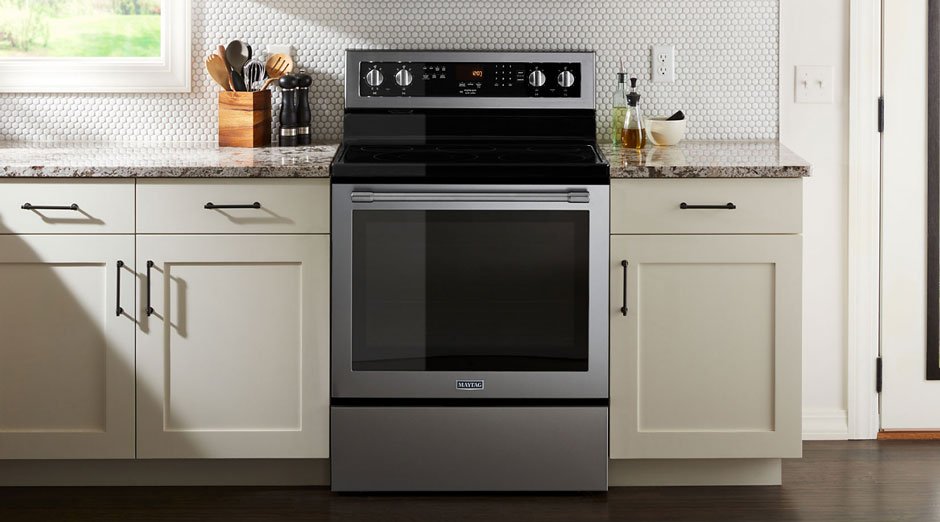
When it comes to selecting an oven for your kitchen, understanding the distinctions between convection ovens and regular ovens is paramount. Each type has its unique features and advantages, catering to different cooking needs. This guide aims to clarify the differences, helping you make an informed decision based on your culinary requirements.
Regular Ovens: A Traditional Approach
Regular ovens, also known as conventional ovens, have been a kitchen staple for decades. They operate on a simple principle—heat rises. In a regular oven, the heating element at the bottom produces heat, which then naturally rises to cook the food. These ovens are straightforward, reliable, and suitable for various baking and roasting tasks.
Convection Ovens: The Power of Air Circulation
Convection ovens, on the other hand, introduce a revolutionary concept—air circulation. These ovens feature a fan that continuously circulates hot air around the food. This constant movement of air ensures even cooking and browning. Convection ovens come in two types: true convection (or European convection) and regular convection.
True Convection (European Convection)
True convection ovens have both a heating element and a fan in the oven’s rear. This ensures that the hot air is distributed more evenly, resulting in precise and consistent cooking. It’s an excellent choice for baking and roasting multiple items simultaneously.
Regular Convection
Regular convection ovens have a heating element and a fan, but the heating element is at the oven’s bottom. While still offering improved airflow, it may not provide the same level of evenness as true convection. However, it is more effective than a regular oven.
Key Differences
Cooking Time
- Regular Ovens: Cooking times may be slightly longer due to less effective heat distribution.
- Convection Ovens: The constant circulation of hot air results in faster and more uniform cooking times.
Temperature and Browning
- Regular Ovens: Browning may be less even, and the temperature may vary throughout the oven.
- Convection Ovens: Even browning is a significant advantage, and the temperature remains consistent, providing better results.
Energy Efficiency
- Regular Ovens: They may use more energy as cooking times are longer.
- Convection Ovens: The shorter cooking times contribute to energy efficiency.
Cooking Multiple Items
- Regular Ovens: May experience uneven cooking when multiple items are baked simultaneously.
- Convection Ovens: Ideal for cooking multiple items at once due to superior heat distribution.
Choosing the Right Oven for Your Needs
Considerations
- Cooking Style: For traditional baking and roasting, a regular oven may suffice. For precision and time efficiency, especially when cooking multiple items, a convection oven is recommended.
- Space: Convection ovens may require more space due to the fan system. Ensure your kitchen layout accommodates the additional dimensions.
- Budget: Regular ovens are often more budget-friendly, while convection ovens, especially true convection, may come at a higher price point.
Conclusion
Understanding the difference between convection ovens and regular ovens allows you to make a choice based on your cooking preferences, time constraints, and budget. Both options have their merits, and the decision ultimately hinges on your specific culinary needs.