
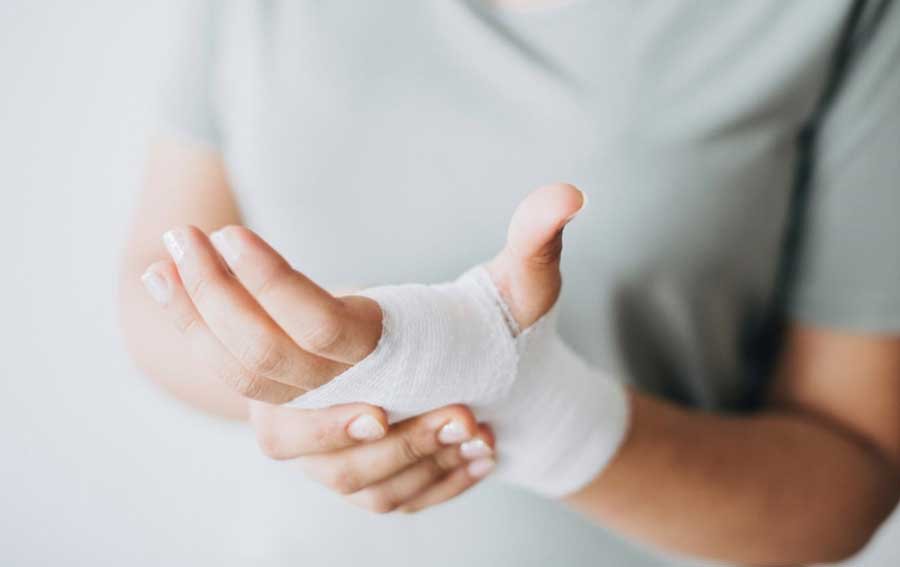
The most important part of a personal injury case is proving fault and damages. If a person cannot prove who is at fault for their injuries, they often cannot be compensated for what has happened to them. Personal injury cases are based on negligence claims, which stem from strict liability or intentional acts that have caused harm. Here are ways of proving fault and damages in personal injury cases.
- Medical Records and Reports
Medical records can often be remarkably beneficial because they have been specifically recorded to show what injuries have been suffered, what treatment was given, etc. It is important to consider the age of the patient and any background that may have caused the particular injuries that are being claimed. With every step in treatment, the patient will also note their subjective evaluation. If a patient has seen multiple doctors, it is important to get copies of the records.
- Photographs
Photographs are a good way to prove damages in a personal injury case. It is also important to make sure that they have not been altered. Photographs can show the extent of damage, whether or not the damage has healed, and any other reason related to the injury. A personal injury lawyer can use these photographs to prove how much was lost and if the case should be qualified for more damages and provide evidence for lawsuits.
- Statements
A personal injury case is based on the injuries, pain, and suffering that the claimant has suffered. Statements can be made in writing by the claimant or made in person to the defendant’s lawyer or paralegal. The claimant must be very clear about the nature of the pain, any other physical symptoms, and their subjective evaluation of the injury. The claimant should include how the injury has affected their daily life and how it will affect them in the future.
- Police Reports
Police reports can be very beneficial for proving fault and damages in a personal injury case. They should clearly show what was done to the claimant, what injuries were sustained, how they were treated, and any other important information. The medical records are good for establishing the nature of the injury and how it was treated. Witness statements can provide a very clear picture of what happened and why the injuries occurred.
- Expert Testimony
Expert testimony can be a beneficial method for proving fault and damages in a personal injury case. For example, an expert in biomechanics could talk about how the particular injury that has been claimed occurred. An expert can assess the injuries and how they were treated to give their opinion on what treatment was given, how successful it was, whether it could have been avoided, and why the particular injuries occurred.
- Pre-trial Settlements
If a personal injury case settles before going to trial, the settlement documents will provide much of the necessary evidence for proving fault and damages in a personal injury case. These documents should be collected from both sides and carefully examined to determine if they are inconsistent with the claims made. This can also include information about any recoveries that have already been received as compensation for pain and suffering and medical expenses.
Personal injury cases are complicated. There are many ways to prove fault and damages in a personal injury case, and you should carefully consider what kind of evidence will be necessary. If you have a personal injury claim based on negligence and want the help of an affordable lawyer, contact a legal service today for more information.