
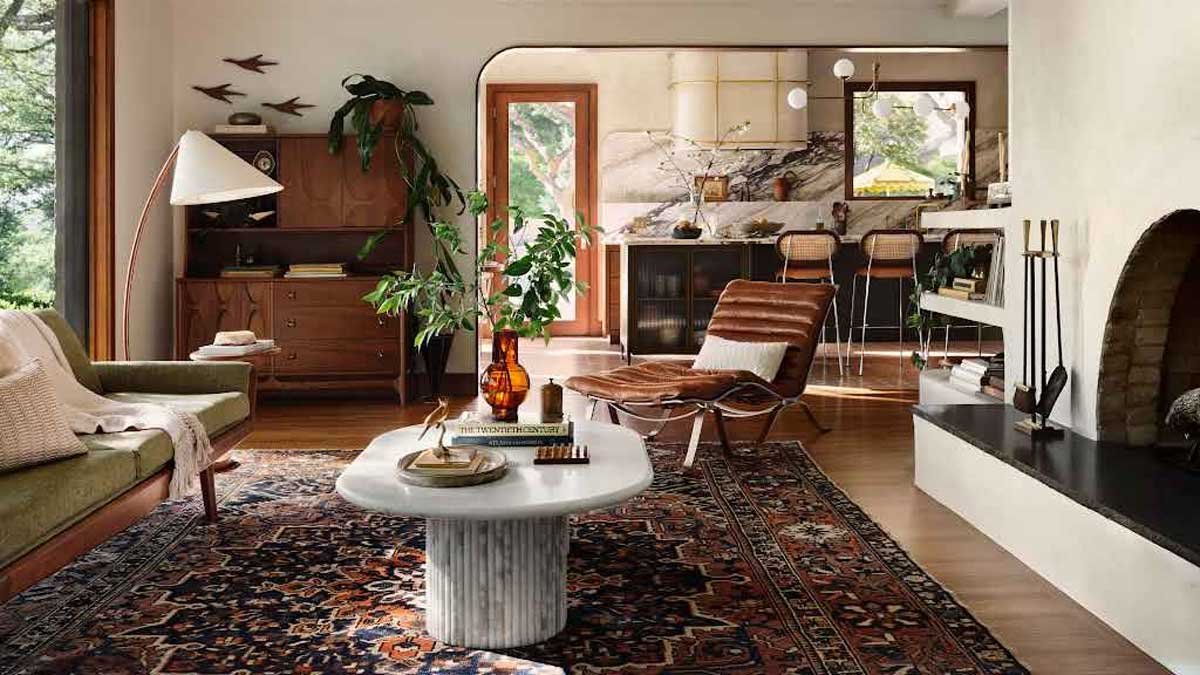
Creative hobbies, and personal projects, energize a home; however, these pursuits come with tools, materials, books, and half-started ideas that can quickly take over every available surface. What begins as inspiration can, sometimes slowly, mushroom into visual noise, making it harder to settle in and even harder to focus on the next project. This isn’t about pushing creativity out of the home but giving it directions to a designated area so things can stay available without overtaking everyday spaces. With a little bit of a system, you can protect the items you love while keeping projects from spilling into every nook and cranny of the house. Here, we’ll explore how you might go about deciding which items are worthy of proximity, and how to support the rest in their storage, in service of your future creativity. And a peaceful home.
Deciding Which Creative Materials Deserve Everyday Space
Creative homes work best when inspiration and organization coexist. Instead of keeping every supply close at hand, rely only on those materials tied to your current projects or favorite hobbies. If you draw regularly, a sketchbook and set of paints can be accessible, as can a sewing basket if you use it weekly. Instruments, craft kits, and anything you create with frequently can stay on hand so that you can jump into a project quickly. Seasonal materials and other supplies tied to long-term ideas or projects you aren’t sure if you will continue should be packed away so that surfaces stay clear and rooms don’t feel crowded. When inspiration is common, it is easy to respond to it in a space free of piles and piles of supplies. If the collection grows beyond what fits comfortably at home, some people temporarily place rarely used materials in a nearby option like Buford GA self storage so their everyday workspace stays focused and inviting. Next, we will look at how to organize the materials that remain so they stay accessible without spreading across the house.
Organizing Supplies So Inspiration Stays Accessible
An organized creative area encourages spontaneous work because tools are easy to find and quick to return after use. The key is to create simple categories and visible storage that supports how you naturally work.
Essential Principles to Follow:
- Group Materials By Activity Store supplies by project type such as painting, writing, sewing, or crafting so everything needed for that activity lives together.
- Use Visible Containers Clear boxes or labeled bins make it easy to find materials quickly without opening every drawer.
- Keep A Dedicated Workspace Even a small table or shelf reserved for creative projects helps separate inspiration from daily household clutter.
Common Pitfalls to Avoid:
- Storing every material in the same container, which makes starting a project feel overwhelming.
- Leaving supplies spread across multiple rooms, which leads to lost items and unfinished projects.
- Buying new materials before using existing ones, which gradually fills the space.
- Treating creative supplies as decoration instead of tools that need organized storage.
Creating A Rotation System For Projects And Materials
Step 1: Group your creative materials into three simple groups based on how frequently you use them. Keep Your Current Projects nearby in your workspace so that you can get started with no prep time first thing in the morning. Keep Your Next Projects in a bin or on a nearby shelf, visible but not spilling over onto the worksurface. Keep Future Ideas from overflowing onto your larger home. I keep mine in labeled boxes of clipping files, stored materials, prints and other supplies for things I might hit later.
Step 2: Rotate on a schedule, and regularly. At the end of each month, review Your Current Projects group and determine whether you’ve abandoned any, if any should be put on hold, and which are the clearly active ones, so they can be carried over into next month. Move any completed into storage, take a new fresh idea from the Your Next Projects group onto your workspace, move unused items back into box, bin, or basket labeled and nearby but outside of seeing it all to fight and scramble and make room for. Even this small bit of rotation keeps the inspiration flowing forward and appetites whetted for new ideas while unfinished ideas don’t spread as an uncontained infection from one corner of the home to another.
What Changes For Small Homes, Shared Spaces, And Families
How Do Small Homes Keep Creative Areas From Taking Over?
Small homes benefit from clearly defined creative zones. Even a single drawer or shelf dedicated to creative materials can prevent supplies from spreading into living areas. Limiting everyday supplies to one contained area keeps inspiration accessible without overwhelming the home.
How Can Shared Spaces Work For Multiple Creative People?
Shared creative areas require simple boundaries. Assign separate containers or shelves for each person so materials stay organized and easy to identify. A shared workspace can remain functional as long as everyone returns supplies to their designated area after use.
What Helps Families Encourage Creativity Without Creating Clutter?
Families often find success by rotating supplies just as they rotate projects. Keep a small selection of materials available for everyday creativity while storing the rest in labeled bins. Changing the available supplies occasionally keeps activities fresh while preventing the home from filling with unused items.
A Weekly Reset Checklist That Keeps Creative Areas Calm
Creative spaces remain inspiring when they return to a calm baseline each week. Clear the workspace, return tools to their labeled containers, and move finished or paused projects out of the active area. Review the Current Projects bin, discard scraps that no longer serve a purpose, and restock those materials you plan to work from in the week ahead. Clear most of the surfaces so that inspiration has room to grow, rather than competing with chaos to gain attention. A short reset has a chance to become a routine, so that creativity is comfortably part of home, rather than slowly taking over every room.
Choose one day each week for a quick creative-space reset and return all supplies to their containers.
Frequently Asked Questions About Storing Creative Materials
How much creative material should stay in everyday space?
Only the supplies connected to your current or most frequent projects need daily access. Storing everything within reach often leads to clutter that makes it harder to start creating. Limiting visible materials keeps the workspace inviting.
What is the best way to prevent creative supplies from spreading around the house?
A dedicated container or shelf for each activity helps keep materials together. Returning items to the same place after every project prevents them from drifting into other rooms. Simple habits usually work better than complicated storage systems.
How do I avoid buying duplicate supplies I already own?
Keeping materials grouped by activity and visible in labeled containers makes it easier to see what you already have. Reviewing your supplies before starting a new project also helps reduce unnecessary purchases.
Can storing some materials away reduce creativity?
In most cases it actually helps. When only the materials for current projects are visible, the workspace feels calmer and more focused. Stored supplies remain available for future ideas without crowding the home.