
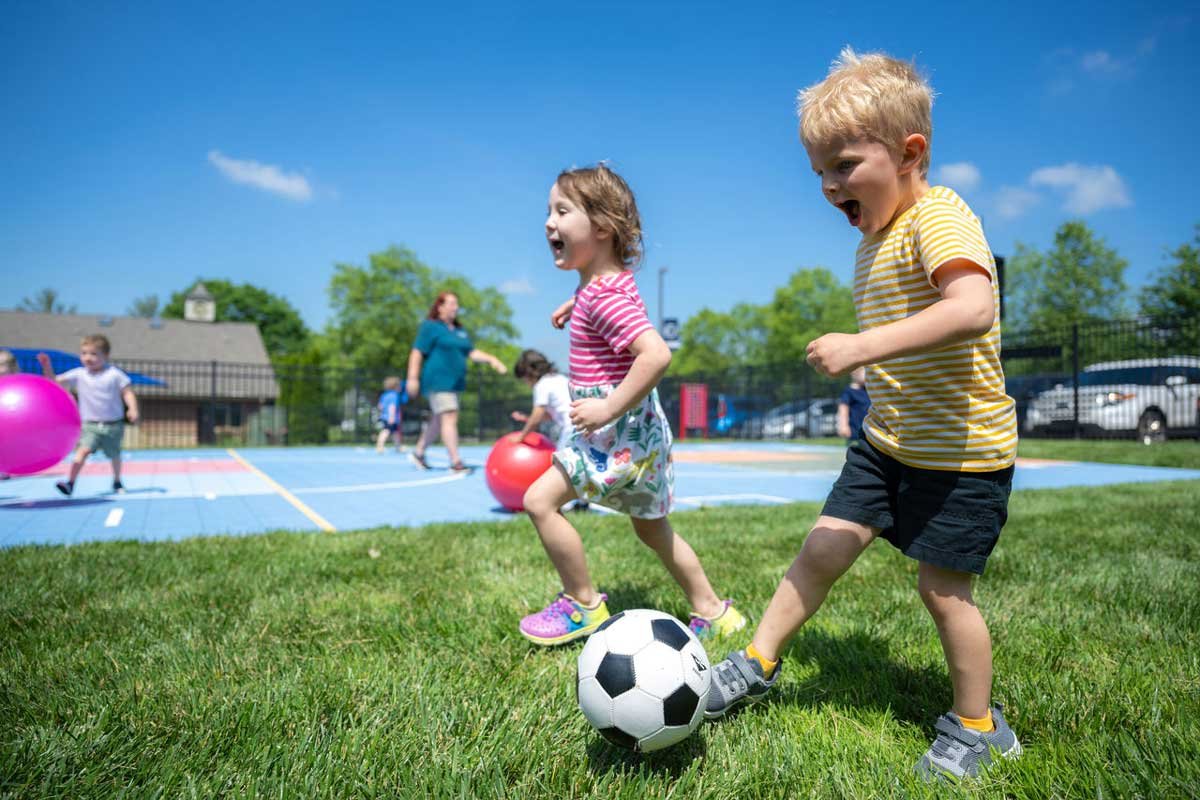
Parents and educators are constantly searching for ways to support a child’s academic journey. While reading applications and traditional classroom tools are incredibly valuable, holistic education extends beyond a desk and textbook. Physical activity is not just a way for children to burn off excess energy. It is a fundamental component of their cognitive and social development. When children participate in structured youth sports, they engage in a dynamic form of learning that shapes their developing brains just as much as their physical bodies.
The Connection Between Physical Activity and Cognitive Growth
The early years of a child’s life are a critical window for neurological development. Engaging in vigorous physical movement triggers the release of essential proteins that improve memory retention and overall focus. Rather than viewing physical education as separate from academic learning, educators increasingly recognise them as two sides of the same coin.
Just as educational adventures that transform playtime into learning opportunities foster critical problem-solving skills, structured sports take these cognitive benefits to the next level. By navigating physical obstacles, coordinating with peers, and understanding spatial dynamics, children build complex neurological pathways. These pathways directly enhance their mental agility when they return to the classroom, allowing them to process new information with greater ease.
Building Executive Function Through Structured Play
Executive function refers to the core mental skills that include working memory, flexible thinking, and self-control. Interestingly, these are the exact skills required to succeed in a structured sporting environment. When children engage in a game with specific rules, they must constantly assess their dynamic surroundings, make split-second decisions under pressure, and anticipate the actions of opposing players.
For example, enrolling a child in basketball training for kids provides an excellent environment for developing vital spatial awareness and strategic thinking. Players have to remember specific plays, process instructions from their coach in real time, and execute complex motor skills simultaneously. This level of physical and mental multitasking directly strengthens a child’s ability to focus on complex assignments when they sit down to complete their schoolwork. They learn to ignore external distractions and direct their attention entirely toward a specific goal, which translates into better reading comprehension and problem-solving abilities.
Measurable Academic Benefits of Team Sports
The cognitive advantages of youth sports are not just theoretical concepts. There is highly concrete evidence linking regular physical activity directly to improved academic performance. Research from the United States Centers for Disease Control and Prevention highlights this strong, measurable correlation. According to their official data, students who earn mostly A grades are significantly more likely to play on at least one sports team. The findings revealed that 66 per cent of these top-performing students participated in team sports, compared to only 42 per cent of students with lower academic grades.
This data suggests that the discipline, time management, and focus required to participate in organised physical activities translate directly into better study habits. The routine of attending weekly practice and balancing it with homework teaches children how to manage their time effectively. Furthermore, physical exertion helps reduce stress and anxiety, ensuring students arrive at school refreshed and ready to learn.
Key Social Skills Developed on the Court
Beyond academic and cognitive improvements, structured sports provide a vital, real-world laboratory for social and emotional learning. While a healthy, supportive classroom environment is essential for academic growth, a sports field offers unique interpersonal challenges that build lasting character.
Through regular participation in youth sports, children naturally develop several crucial social skills:
- Effective Communication: Players must learn to communicate clearly and rapidly with their teammates to succeed during a fast-paced game.
- Resilience and Emotional Regulation: Experiencing a loss or making a critical mistake teaches children how to process frustration and bounce back from failure gracefully.
- Teamwork and Empathy: Working alongside peers from diverse backgrounds helps children understand the immense value of collaboration and mutual support.
- Respect for Authority: Interacting with coaches and referees instils a natural respect for community rules and leadership figures.
Ultimately, youth sports should be viewed as an essential extension of a child’s educational journey. By blending physical exertion with strategic thinking and peer interaction, structured activities lay the vital groundwork for well-rounded development. Encouraging children to step onto the court or field is one of the best ways to prepare them for the complex challenges of both the classroom and the real world. By supporting their athletic endeavours, parents and educators invest directly in their lifelong cognitive and social success.