
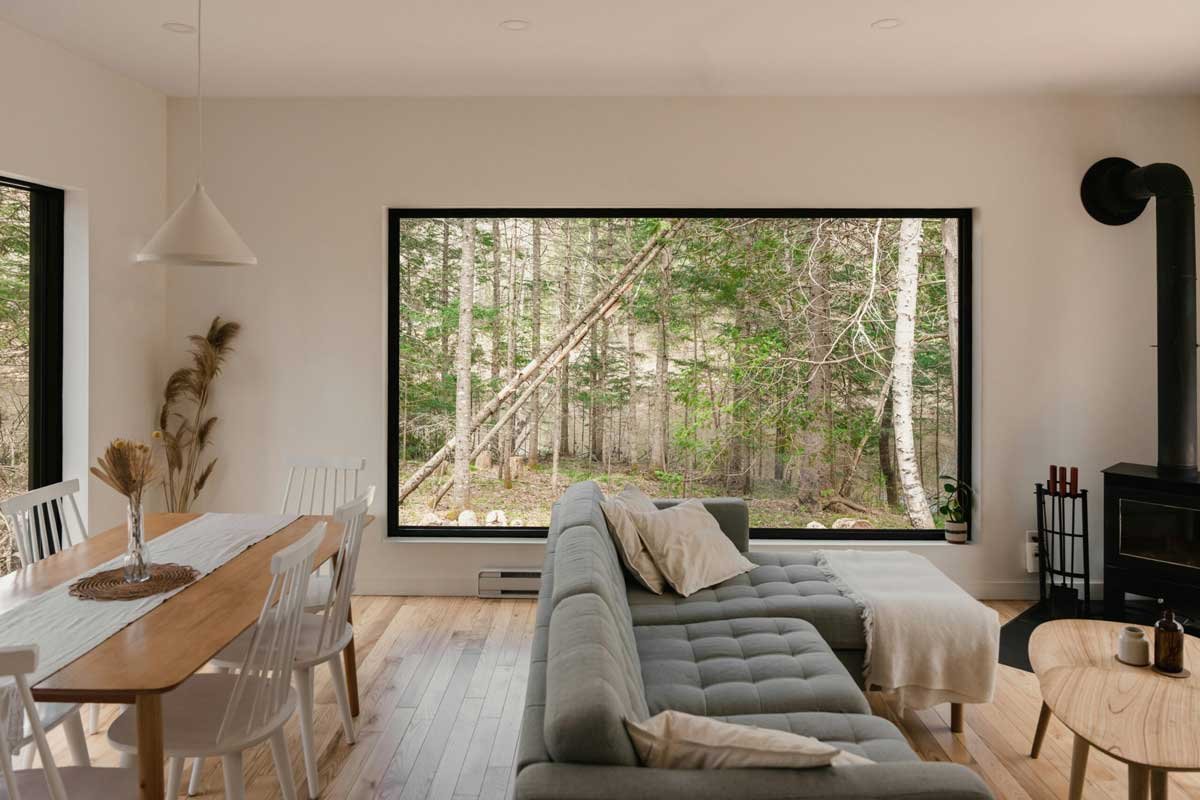
Upgrading the windows in your home is an effective and strategic way to improve energy efficiency, increase interior comfort, and reduce monthly utility bills. The latest advancements in window technologies now deliver remarkable performance upgrades compared to older or basic window models. For homeowners considering this move, seeking expert window installation Broomfield will ensure you maximize the benefits of these upgrades in both new and existing homes.
Investing in energy-efficient windows not only delivers practical cost savings but also elevates the overall comfort of your living spaces. Window design has evolved to balance insulation benefits, ease of maintenance, and impressive curb appeal, making this a wise investment for most homeowners. By selecting energy-efficient windows, you reduce drafts and temperature fluctuations in your living space, creating a more enjoyable home environment year-round.
Understanding the variety of products and technologies available is crucial before choosing the best fit for your property. By becoming familiar with window performance ratings and installation requirements, you put yourself in the best position to make informed choices that deliver long-term benefits for your budget and your home’s value.
Many homeowners also overlook the financial assistance available for projects like this, including government incentives and utility-based rebates designed to promote energy conservation.
Understanding Window Performance Metrics
Knowing how to interpret window performance metrics is crucial when evaluating new windows for your home. Three of the most important criteria homeowners should consider include:
- U-Factor:This measures the window’s insulation capability. Lower U-factor numbers mean better insulation and less heat loss during the winter months. The U-factor is standardized by the National Fenestration Rating Council (NFRC), so you can rely on these figures being consistent between products.
- Solar Heat Gain Coefficient (SHGC):This metric indicates how much solar radiation a window allows to pass through. Lower SHGC values are optimal for hot climates, as they help minimize unwanted heat gain, reducing cooling costs in summer.
- Visible Transmittance (VT):VT measures the amount of visible light that passes through the glass. A higher VT increases natural daylight, reducing the need for artificial lighting while keeping your interiors bright.
Benefits of Energy-Efficient Windows
Energy-efficient windows deliver a variety of significant advantages, making them a popular upgrade for homeowners nationally:
- Reduced Energy Costs:Upgrading to ENERGY STAR® certified windows can lower home energy bills by roughly 12 percent annually, according to the U.S. Environmental Protection Agency. These ongoing savings quickly add up, offsetting initial installation costs over time.
- Enhanced Comfort:By reducing drafts and helping maintain consistent indoor temperatures, modern window products eliminate hot and cold spots, ensuring year-round comfort for everyone in the home.
- Increased Property Value:Updated, attractive, and energy-efficient windows can boost your home’s market value and curb appeal, making it a selling point if you decide to refinance or move.
Types of Energy-Efficient Windows
Several types of energy-efficient windows are available to address different climate conditions, homeowner preferences, and budgets. Common types include:
- Double-Pane Windows:These have two panes of glass with an insulating gas, such as argon, trapped between them. This reduces heat transfer, enhancing thermal performance compared to single-pane options.
- Triple-Pane Windows:These add an extra pane and a gas-filled layer, providing superior insulation and reducing heat loss by up to 65 percent compared to traditional options. They are especially valuable in regions with extreme seasonal temperatures.
- Low-E Coatings:Windows with a microscopically thin Low-E (low emissivity) coating reflect infrared heat. This helps keep your heat indoors during winter and blocks excess external heat in summer.
Financial Incentives and Rebates
Many state and federal programs reward homeowners for choosing efficient windows, making the investment even more cost-effective:
- Federal Tax Credits:The Inflation Reduction Act introduced a 30 percent tax credit (up to $600 annually) for qualifying energy-efficient window installations. This provides vital relief on the upfront costs involved.
- Utility Rebates:Local utility companies often offer direct rebates or incentives for energy-efficient window replacement projects. These rebates may vary by provider and region, so confirm your local eligibility before starting a project.
Installation Considerations
Proper window installation is fundamental to realizing the full benefits of your investment. Some key considerations include:
- Professional Installation:Employing certified, experienced window installers ensures a tight, accurate fit and proper air-sealing. DIY or inexperienced installation can lead to air leaks, reduced efficiency, and even warranty voids.
- Climate Suitability:The best window for your home should be tailored to local weather patterns. For instance, homes in cold climates may benefit most from triple-pane glass, while hot, sunny regions require strong solar heat protection and shading.
Maintenance and Care
Routine maintenance helps keep energy-efficient windows performing at their best over time:
- Cleaning:Regular cleaning of both glass and window frames maintains natural light and ensures mechanisms operate smoothly.
- Inspection:Check periodically for issues such as condensation between panes, seal cracks, and other damage. Address any problems promptly to avoid compromised insulation.
Additional Tips for Improving Window Efficiency
Even after installation, simple and inexpensive upgrades can further improve your home’s energy efficiency:
- Window Treatments:Using blinds, cellular shades, or thermal draperies helps limit winter heat loss and summer heat entry, enhancing comfort and reducing HVAC use.
- Weatherstripping:Apply weatherstripping or caulk to seal gaps around windows and frames, especially in older homes. This keeps cold air out and warm air in, or vice versa, during the summer months.
Final Thoughts
Investing in energy-efficient windows is one of the best decisions a homeowner can make for greater comfort, long-term cost savings, and environmental responsibility. Familiarizing yourself with window performance ratings, available incentives, and maintenance requirements equips you to choose the right products for your needs and climate. Whether through professional consultation or independent research, upgrading your windows helps future-proof your home, protect your wallet, and support a more sustainable future for everyone.