
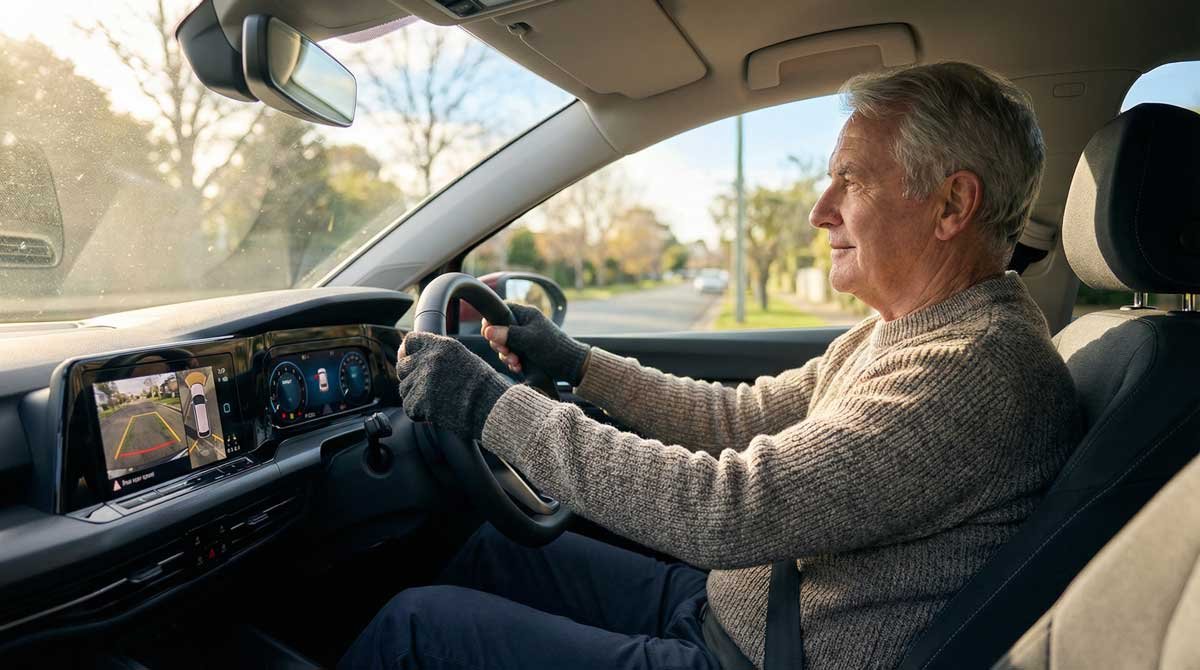
Navigating the roads as a senior driver comes with unique challenges, but staying safe and confident behind the wheel is entirely achievable with the right strategies. As we age, changes in vision, reaction time, and mobility can impact driving abilities, making it essential to adopt practices that enhance safety. Simple adjustments, such as planning routes ahead, avoiding high-traffic periods, and keeping your vehicle well-maintained, can significantly reduce risks. Beyond physical precautions, staying informed about driving best practices and being mindful of personal limits ensures seniors remain confident on the road.
In addition to practical driving habits, exploring car insurance options for seniors can provide both financial protection and peace of mind. Many insurers offer policies specifically designed for older drivers, including discounts for participating in safe driving programs or coverage tailored to meet their unique needs. By combining innovative driving strategies with the right insurance coverage, seniors can enjoy independence on the road while minimizing potential risks.
Regular Health Checks
Good health is the backbone of safe driving. Seniors should schedule regular eye and hearing exams to detect any changes early, as vision and auditory signals are crucial for safe driving. The Centers for Disease Control and Prevention (CDC) recommends that seniors discuss vision changes with their healthcare professional and review their medications to ensure nothing interferes with their alertness or response times. Identifying shifts in vision, reaction time, or mobility enables timely adjustments and ensures safety for everyone on the road.
It’s also important to regularly self-assess how you feel mentally and physically before driving. If you notice changes in your health—such as slower reflexes or difficulty focusing—taking a break or relying on alternative transportation can help prevent accidents and protect your independence in the long run.
Vehicle Maintenance
Driving a well-maintained vehicle reduces risk and increases confidence. Seniors should make it a habit to routinely check brakes, tires, lights, and windshield wipers. Upgrading to modern vehicles with advanced safety technologies, such as backup cameras, blind-spot detectors, and automatic emergency braking, can provide valuable extra support. Even small changes, such as installing larger rearview mirrors or adding seat cushions for improved visibility and comfort, can make a significant difference for senior drivers.
Defensive Driving Courses
Continuing education is one of the best ways to stay sharp on the road. Defensive driving courses offer practical knowledge of new traffic laws, updated safety techniques, and enhanced hazard awareness. These programs have been shown to increase seniors’ confidence, and some insurers even offer discounts to those who complete them. Seniors can benefit from specific instruction on adjusting to age-related changes while staying current with best practices.
Limiting Distractions
Remaining focused on the road is crucial as reactions may naturally slow with age. Seniors should make a conscious effort to put away cell phones, avoid eating or drinking, and program navigation devices before setting out. If you need to adjust the radio or consult a map, pull over to a safe location first. Distraction is one of the most significant contributors to accidents, particularly for those who may not react as quickly to sudden changes in driving conditions.
Adapting to Physical Changes
Even subtle changes in strength, flexibility, or coordination can have significant impacts on driving performance. Seniors should look for adaptive devices—such as pedal extenders, steering wheel covers, or swivel seats—to accommodate any limitations. Adjusting your seat, mirrors, and steering wheel for maximum comfort and visibility can minimize fatigue and allow for greater control. Regular exercise and physical therapy are also recommended to maintain the range of motion, strength, and joint health.
Planning Routes
Driving on unfamiliar roads or during rush hour can be stressful at any age, but it is especially challenging for older adults. Plan routes in advance using GPS or online maps and opt for well-lit, familiar roads whenever possible. Avoid high-traffic areas and drive during inclement weather or at night, when visibility and road conditions are likely to be worse. These simple selections can help seniors remain calm behind the wheel and avoid unnecessary risks on the road.
Staying Informed
Staying informed about updates to road laws and new vehicle technologies is essential for safe and confident driving. Community groups, libraries, and senior centers often offer workshops on local driving laws and evolving automotive features, helping older drivers keep up to date. Reading trusted publications, like those from the AARP or NHTSA’s Older Drivers portal, can also provide current, relevant advice and updates about driving as you age.
Conclusion
With mindful planning, continued learning, and regular attention to health and vehicle maintenance, seniors can continue to enjoy the freedom of driving while reducing their risks. By combining practical strategies—like regular health checks, limiting distractions, adapting to physical changes, careful route planning, and ongoing education—older adults can remain both safe and confident drivers for years to come.