

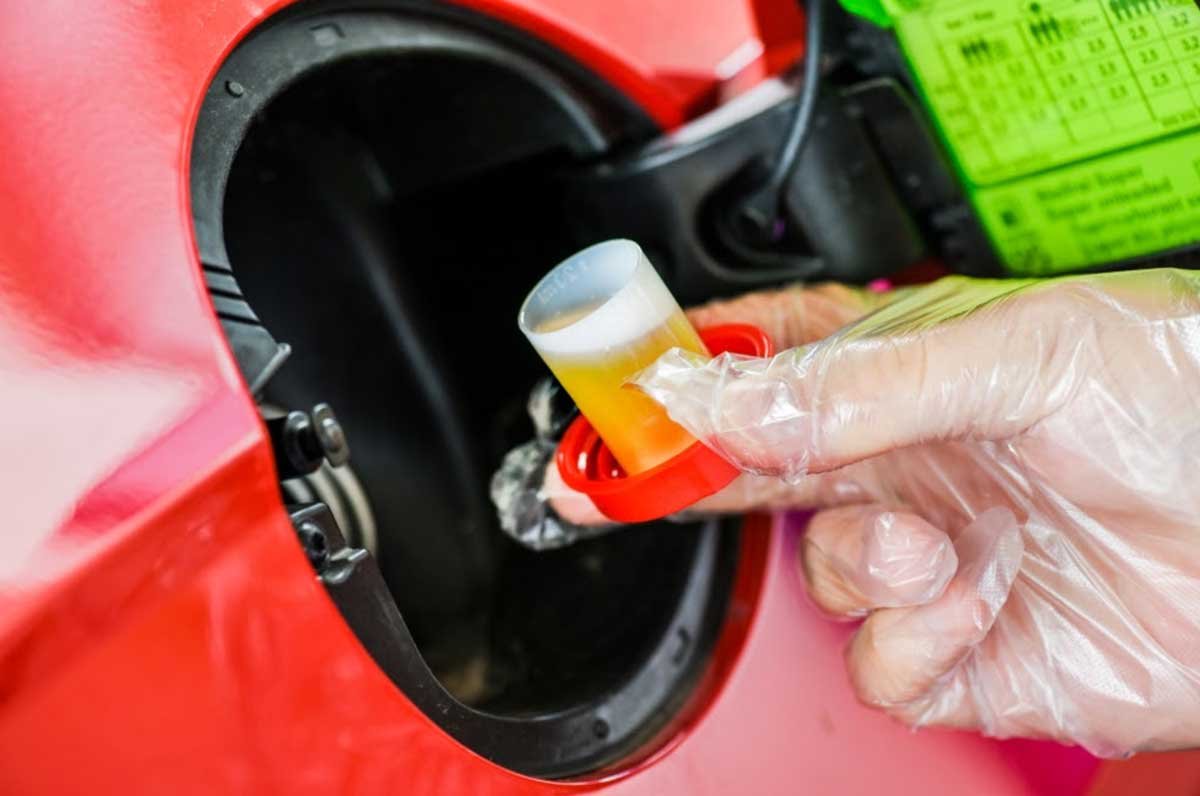
Fuel additives are chemical substances that have been designed to offer a range of benefits to a vehicle in order to optimize and create a smoother running engine. Fuel additives can be added to both petrol and diesel engines and can help improve the overall performance of a vehicle’s engine.
Fuel additives serve to improve engine performance by keeping carburettors, injectors, pumps, turbos and intake valves clean, as well as removing water from the fuel system. They can even go as far as reducing the engine noise.
Types of fuel additives
Most fuel additives that are on the market today will commonly be specifically catered to fuel efficiency, vehicle performance, or car models that were manufactured before 1992. Leaded four-star petrol was withdrawn from sale in 2000, where the lead replacement petrol soon followed after in 2003. This would mean that an engine before 1992 would need an updated cylinder head conversion. A lead replacement fuel additive, however, is an alternative daily option.
As well as cleaning an engine, which helps to improve overall fuel efficiency, some fuel additives have been designed to stop diesel congealing which will help an engine to start quicker. This is a great solution for those that live in colder climates where congealing is more prone and likely to result in blockages within the fuel system.
This type of Fuel Additive is targeted towards both petrol and diesel-run vehicles and works by reducing the cold filter plugging point. When the temperature drops below a vehicle’s cold filter plugging point, wax molecules within the fuel form crystals that start to clump together. This is what is commonly referred to as congealing.
For those that are looking to store their vehicles and want to preserve the fuel, there are additives that can deliver on this and will allow for the vehicle to easily start as soon as it’s put back into use. For a car that hasn’t been used for a while and is being put back out onto the road, a formulated fuel cleaner can give an engine flush to rid any residue or rusts that have built up over time. It is recommended that buyers stay clear of

The benefits of fuel additives
- Cleans the engine of a vehicle – Fuel additives have been designed so that they ensure that engines run more smoothly as it strips away any gunk left behind from the fuel. Fuel additives can also help to flush out an existing build-up.
- Improves fuel efficiency – Fuel additives work by clearing out the engine to improve the overall efficiency of the fuel. This is achieved because when there’s less build-up and residue within the engine, fuel will be able to perform better.
- Easier running vehicle – Fuel additives can help improve the running of your vehicle by allowing for a smoother running engine, faster pulling out at junctions and roundabouts, reduced engine noise and lower emissions which helps the environment.
Are fuel additives effective?
Whilst fuel additives can help improve a vehicle’s engine, such as cleaning the engine by ridding it of any build-up of gunk, improving the fuel efficiency, helping older car engines to run on modern petrol, there have been some investigations to prove their limitations.
Although there will be improvements to an engines overall performance, the results will not be massively noticeable and will not require daily usage unless you have a high-performance vehicle.